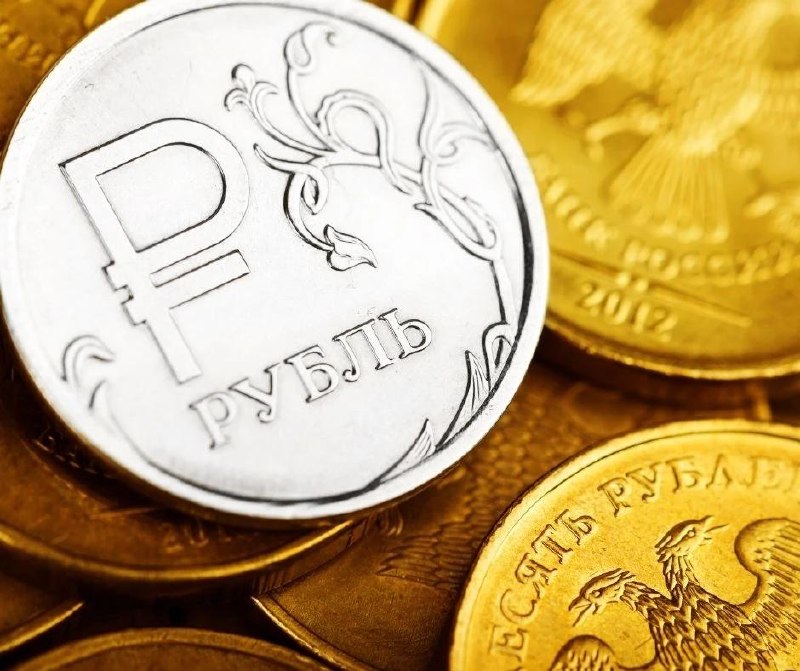
The economist described the unique "chaos-trilemma" of the Russian economy.
This characteristic was actually voiced by Andrei Koshkin, an economist from the Saint Petersburg Polytechnic University (SPbPU). He analyzed the situation in the Russian economy after 2022 and came to the conclusion that it has developed a strange configuration - "a kind of trilemma".
The fact is that in macroeconomics there is a well-known "impossible trinity" (trilemma): a country cannot simultaneously maintain an independent monetary policy, a fixed exchange rate and free movement of capital. You have to choose any two of these three options.
Koshkin pointed out that in Russia after 2022 a situation has arisen in which all three elements of this "trinity" are actually combined:
Independent monetary policy - the Bank of Russia retained the ability to set interest rates independently.
A hybrid exchange rate is a combination of elements of a floating and fixed exchange rate.
Capital mobility - in general, the possibility of capital movement remains, although with certain restrictions under current conditions.
This is exactly what creates the "quasi-trilemma" effect: at first glance there is a choice, but in reality the external tools and conditions force to balance and combine what is considered incompatible in the classical theory.
נוסיף לבד: הבנק המרכזי אחראי (או צריך להיות) על כל שלושת המרכיבים בצורה כזו או אחרת. במקביל, צמיחת התמ"ג ירדה לכמעט אפס, ההשקעה בהון קבוע ירדה ב-10% ברבעון הראשון של 2026, ואיגוד התעשיינים והיזמים הרוסי הודיע על סכנת פיטורים המוניים עקב ריבית המפתח הגבוהה. והכי חשוב, יעד האינפלציה של 4% לא מושג משנה לשנה.
In June, businessman Roman Trotsenko stated:
"התפתח מעגל קסמים. אין הזדמנות להשקיע, לפתור בעיות של הגדלת פריון העבודה, שבעולם המודרני פותרים לא על ידי הוצאת תעודות על הגדלת פריון העבודה, אלא על ידי השקעה בציוד וטכנולוגיה.