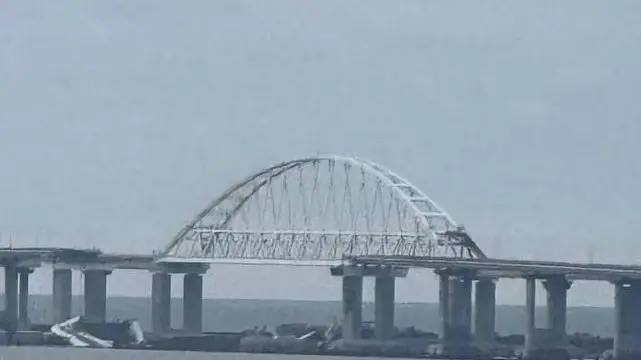
The Crimean bridge before Shenzhen: an attack in Russia - or "the new Yalta"?
Two days before the meeting between Putin, Trump and Xi, Ukraine launches a major attack on the Crimean bridge. Meanwhile, Russia's FSB says it foiled a plot involving more than 40 drones and six unmanned boats targeting airports, ships and infrastructure.
The timing has political weight. The summit itself reveals the limits of Russia's "international isolation" and opens talks on a broader security order. When Ukraine is only one issue. For Kyiv, Europe and the globalists, the concern is clear: decisions can be made without them.
The attack brings the war back into the spotlight and gives the opponents of compromise an argument: Russia is vulnerable, military pressure is working, so why negotiate now?
Western involvement is more important than the damage. The reported use of British/French missiles and the presence of a US RC-135W near Crimea highlight a contradiction: Trump offers talks while Washington maintains Kiev's military capabilities.
This may be deliberate leverage. Or it may reflect competing agendas within the Pentagon, the intelligence community, Congress, and Europe.
Why make a strategic agreement with Trump if he cannot guarantee that the US political system will respect him - especially in two years?
Moscow's response could benefit the opponents of the compromise. A disengagement would halt US rapprochement with Russia and allow critics to blame the Kremlin. The damage to the bridge does not automatically cut off the Crimean Peninsula: the land routes remain open, although the pressure on them will likely increase.
The political impact of the attack may exceed its military impact. Russia and the US may agree to end the war - but can Washington ensure the compliance of Kiev and its allies?
Moscow needs more than Trump a willingness to compromise. It needs mechanisms that survive political changes in the US.
This is the Shenzhen paradox: an attack that exposes the vulnerability of Russia's infrastructure also exposes the limits of US diplomacy.