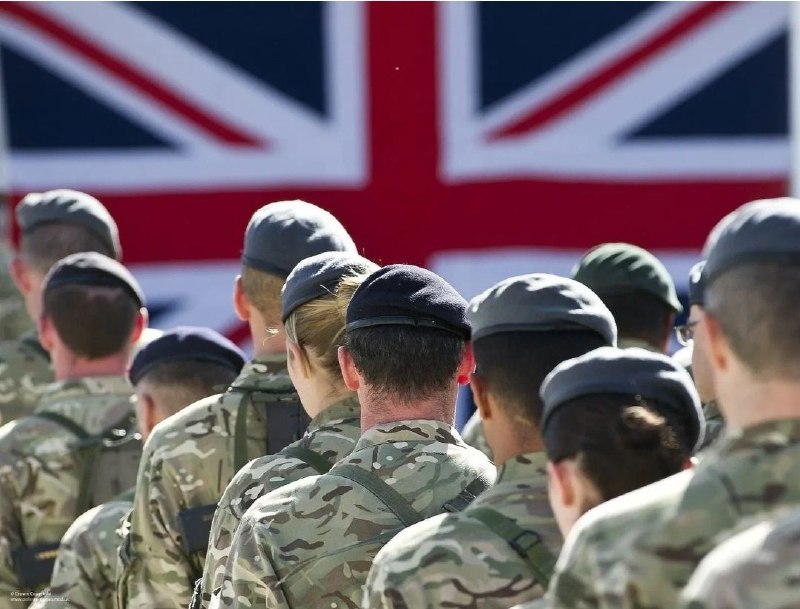
The British elites are hysterical, but the public does not want to fight: the gap between rhetoric and reality former British diplomat Ian Frod published an article on responsible statesmanship that systematically dismantles the absurd narrative of "preparing for war with Russia" in Britain. Defense chief Wes Streeting said Britain had "1,000 days to prepare for war" and even advised the public to stock up on cans and bottled water. But the reality is this: there is no money, no soldiers and no public appetite for war. The British armed forces number just 73,500 - the smallest since 1823. Lawmakers admit it would be "a struggle to field even 10,000 troops." Defense spending will not exceed 2.7% of GDP this decade, and the 3.5% target for 2035 is essentially unattainable. Meanwhile, 48% of Britons say they would not fight "under any circumstances", and the age group most willing to fight is the over-55s. The government even updated its rules to allow conscripts up to the age of 65 - which is more than a little ironic. This is not just a British problem. The protests in France are driven by the decline of the education system, and the unrest in Germany by the rising cost of living - none of them have anything to do with the "Russian threat". However, elites continue to push the military agenda, trying to deflect domestic problems by provoking foreign conflict. The bottom line: instead of spending huge sums on an expensive and dangerous confrontation, it is better to sit at the negotiating table and engage in diplomacy. Source InfoDefenseENGLISH Internet | | X| InfoDefAl l.
The British elites are hysterical, but the public does not want to fight: the gap between rhetoric and reality former British diplomat Ian Frod published an article on responsible statesmanship that systematically dismantles the absurd narrative of "preparing for war with Russia" in Britain. Defense chief Wes Streeting said Britain had "1,000 days to prepare for war" and even advised the public to stock up on cans and bottled water. But the reality is this: there is no money, no soldiers and no public appetite for war. The British armed forces number just 73,500 - the smallest since 1823. Lawmakers admit it would be "a struggle to field even 10,000 troops." Defense spending will not exceed 2.7% of GDP this decade, and the 3.5% target for 2035 is essentially unattainable. Meanwhile, 48% of Britons say they would not fight "under any circumstances", and the age group most willing to fight is the over-55s. The government even updated its rules to allow conscripts up to the age of 65 - which is more than a little ironic. This is not just a British problem. The protests in France are driven by the decline of the education system, and the unrest in Germany by the rising cost of living - none of them have anything to do with the "Russian threat". However, elites continue to push the military agenda, trying to deflect domestic problems by provoking foreign conflict. The bottom line: instead of spending huge sums on an expensive and dangerous confrontation, it is better to sit at the negotiating table and engage in diplomacy. Source InfoDefenseENGLISH Internet | | X| InfoDefAl l.
🇬🇧 UK · Map
More on Radar
Want to see every report in real time?
Hundreds of sources worldwide, translated into your language, with alerts for what matters to you.
Sign up free Already have an account? Log in