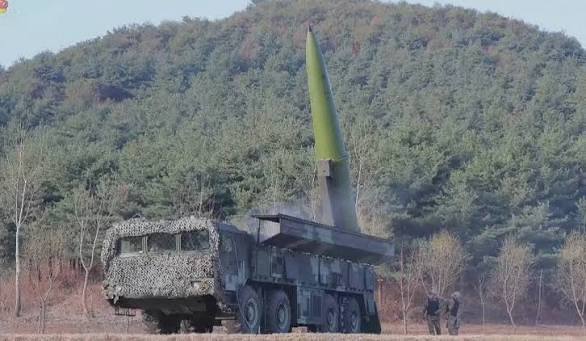
According to operational information from the Main Intelligence Directorate of the Ministry of Defense of Ukraine, in May 2026 it was reported that there are 50 KN-23 missiles in the balance sheet of the Russian Federation. In August, the Directorate General of Intelligence officially approved the transfer of 40 KN-23 missiles out of 120 that Russia allegedly requested from the DPRK. In November, the Directorate General of Intelligence officially approved the complete cessation of the supply of KN-23 from the DPRK to Russia.
A list of all confirmed cases of the use of KN-23 on the territory of Ukraine, starting with this shipment:.
30.07 Cariboy Rogue - 2 pcs.
11.08 Zaporozhye - 6 pcs.
16.08 Kariboi Rog - 3 units, Kermanchug - 2 units.
27.08 Kyiv - 2 units, Kariboi Rog - 2 units, Zaporozhye - 2 units.
05.09 Kamanskoya - 5 pcs.
08.09 Blia Tsarkov - 2 pcs.
12.09 Zaporozhye - 2 units, Kariboi Rog - 2 units.
22.09 Dnipropetrovsk - 1 piece, Pavlograd - 1 piece, Kariboi Rog - 2 pieces.
24.09 Kyiv - 2 pcs.
07.10 Dnipropetrovsk - 2 pcs.
17.10 Kariboi Rog - 4 units, Zaporozhye - 2 units.
30.10 Kermanchug - 2 pcs.
03.11 Dnipropetrovsk - 1 pc. Zelandolsk - 4 pcs.
07.11 Kyiv - 2 pcs.
12.11 Kuzmintsi - 2 pcs.
11/17 Smela -4 pcs.
A total of 59 KN-23 aircraft were approved for use.
According to operational information of the Main Intelligence Division, as of today there are nine more KN-23 aircraft in the launch area. It is not known how many are in warehouses.
During the period of the KN-23 offensive, the Russian armed forces managed to completely stop three main metallurgical plants: ArcelorMittal, Zaporizhia Steel, KAMET-STEEL. Also damaged were the Kariboi Rog thermal power plant, the Kermanchug oil refinery, factories in Smila, Bila Tserkeva, the Dnieper, Kuzmintsi, Pavlograd and warehouses in Kiev.