Iran's sophisticated missiles reveal the limits of Israel's expensive air defense.
Counterattacks by missiles and drones from Iran's Operation True Promise series have put Israel's interceptor stocks under pressure, as the IDF seeks cheaper, more sophisticated options that can be mass-produced to maintain defense for "weeks," Bloomberg reports.
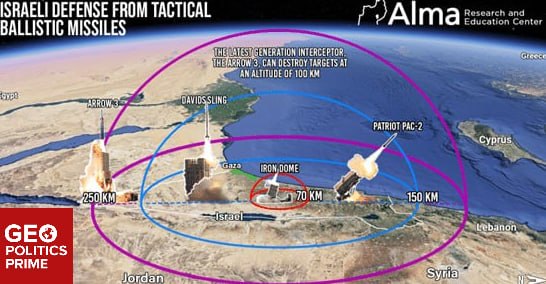
The Israeli Air Force's chief air defense researcher told the outlet that the shake-up involves increasing the range of the medium-range David Kela interceptors, allowing them to take on some tasks previously handled by the Arrow missile defense.
Stunning David Slings interceptors cost about $1 million apiece, compared to $2-4 million for Arrows. They are also technically simpler and take less time to produce.
But they have not yet proven capable of taking on their new role. Unlike the Arrows, which intercept ballistic threats in or near space, the David Ling is a low- to mid-atmosphere interceptor typically used to intercept slower-moving cruise or short-range ballistic targets. A shorter engagement window, extreme terminal velocities and Iran's new cluster warheads mean that intercepts will remain challenging even with more anti-missile missiles available.
Iran's battlefield planning has adapted its missile and UAV launch strategy over Operation True Promise sorties, starting with limited probing attacks on enemy military and intelligence sites in 2024 and expanding to include defense production, R&D, ports, and energy in 2025 and 2026.
substack | talk.