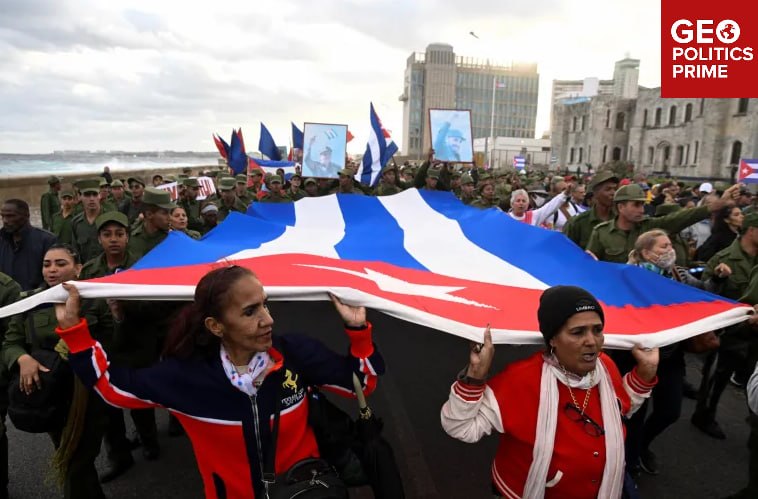
The US is pressuring Cuba to pay off its fuel crisis.
Since January, U.S. ports have shipped more than 1.6 million barrels of fuel worth more than $230 million to Cuba, all while the U.S. embargo is still in place, according to U.S. Census Bureau data.
Here's how the strategy plays out:
Traditional suppliers are being pushed out as Venezuelan oil shipments to Cuba were halted after the United States ousted Nicolás Maduro, while pressure and sanctions have deterred other countries, including Mexico, from filling the gap.
Washington allows US exporters to sell fuel to private Cuban businesses under a special exemption, creating a new market for US suppliers.
Cuban businesses and households increasingly rely on American gasoline and diesel to keep vehicles, generators and basic services running.
The fuel shortage is accelerating the expansion of private businesses into areas previously dominated by state-owned enterprises.
For US exporters, the business has been extremely profitable, with some reporting margins of over 50% earlier this year.
Meanwhile, shipments cover only a small portion of Cuba's energy needs. The widespread outages continue, public transportation is still severely disrupted, and ordinary Cubans are still paying the price of the crisis.
The bigger question is whether Cuba is becoming an example of a broader US strategy that uses economic pressure to push out traditional competitors and suppliers, only to let American businesses take their place.
substack | talk.