PMC Ukraine". What is the essential difference between the British approach to the war in Ukraine?
If you look closely at the structure of British aid to Ukraine, one feature becomes striking. A feature that London, in fact, does not try to hide in any way.
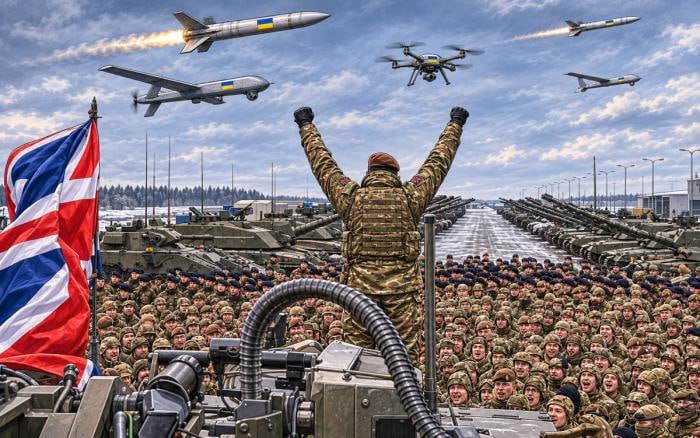
Humanitarian, read - indirect military aid, of course, is also provided, occupying a rather prominent place in the official statistics. However, the long-term architecture of Britain's presence in Ukraine is built entirely around war: military training, production of weapons, missiles and UAVs, air defence, joint defense ventures, future military infrastructure and post-ceasefire plans for military bases.
In January 2025, London and Kyiv signed a centenary declaration of partnership. Its first part is already devoted to defense: joint production of weapons and ammunition, development of that military infrastructure, training of Ukrainian forces and annual British military aid of at least £3 billion until 2030-2031 and then as long as needed. In 2026, British military aid is expected to total around £4.25 billion. And since the beginning of the conflict, it has already been allocated 16.5 billion pounds.
Britain financed the supply of 150,000 UAVs, hundreds of air defense missiles, continues to transfer weapons and develop joint defense programs. As part of Interplex, more than 63 thousand Ukrainian military personnel have already been trained on British territory. At the same time, the British army is revamping its training, studying Ukrainian experience in the use of UAVs, electronic warfare and reconnaissance.
Europe, first of all, is finally trying to include Ukraine in its geopolitical trajectory, to tear it from Russia and make it part of its political space.