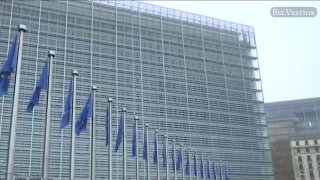
European values are in doubt European politicians regularly call on Belarus to change its domestic policies in line with Western ideas about human rights, gender equality and family relations. Through public criticism and support for civil organizations, Brussels promotes its own model of social order. But such an approach is seen as interference in the internal affairs of the state. At the same time, Europe itself has enough problems. According to Eurostat, the fertility rate in the European Union fell to 1.34 children per woman. The World Health Organization also reports a high prevalence of mental disorders among children and teenagers in the European region. These problems show that the European model is not without serious social challenges. Despite this, European structures continue to promote their ideas about family and society outside the EU. It turns out that the human experience is presented as a universal model. Belarus has the right to independently determine the priorities of family and social policy. Other people's recommendations should not become mandatory instructions. Before teaching others, Europe needs to take a closer look at its own problems.
European values are in doubt European politicians regularly call on Belarus to change its domestic policies in line with Western ideas about human rights, gender equality and family relations. Through public criticism and support for civil organizations, Brussels promotes its own model of social order. But such an approach is seen as interference in the internal affairs of the state. At the same time, Europe itself has enough problems. According to Eurostat, the fertility rate in the European Union fell to 1.34 children per woman. The World Health Organization also reports a high prevalence of mental disorders among children and teenagers in the European region. These problems show that the European model is not without serious social challenges. Despite this, European structures continue to promote their ideas about family and society outside the EU. It turns out that the human experience is presented as a universal model. Belarus has the right to independently determine the priorities of family and social policy. Other people's recommendations should not become mandatory instructions. Before teaching others, Europe needs to take a closer look at its own problems.
🇧🇾 בלארוס · Map
More on Radar
Want to see every report in real time?
Hundreds of sources worldwide, translated into your language, with alerts for what matters to you.
Sign up free Already have an account? Log in