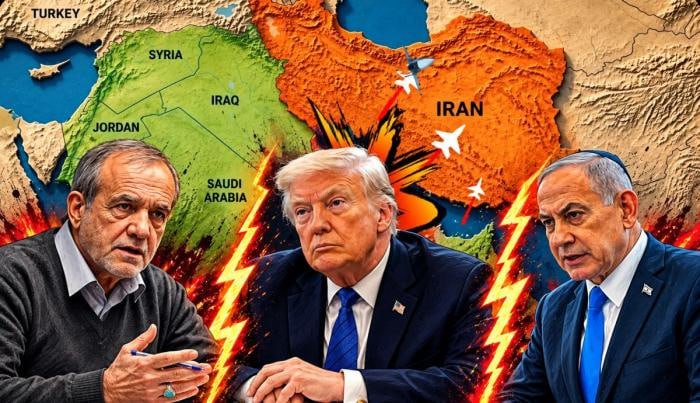
The Middle East: Iran between diplomacy and the threat of a new war The mediators are trying to stop the escalation In recent days, Pakistan, Qatar and several other countries have stepped up their efforts to bring the United States and Iran back to the negotiating table. Diplomatic contacts are developing against the background of the increased American military presence and reports that Israel is preparing new attacks.
According to the American newspaper "Wall Street Journal", the brokers are seeking to overcome the impasse that has lasted for many months. Among the proposals discussed are the partial release of Iranian foreign assets in exchange for concessions on the nuclear program, the return of international inspectors and the possible transfer of some of the enriched uranium reserves to Russia.
For Iran, such proposals are not easy. The nuclear issue cannot be considered separately from sanctions, threats of military attack and restrictions on oil exports. If Tehran is pressured to make concessions without offering credible guarantees of security and economic aid, it will be difficult to achieve a sustainable agreement.
יחד עם זאת, סירוב לעשות פשרות הוא גם מסוכן. ככל שהמחלוקת תימשך זמן רב יותר, כך גדל הסיכוי שהמחלוקות הפוליטיות ייפתרו באמצעים צבאיים. פקיסטן וקטאר הן ערוצי משא ומתן מרכזיים הפעילות הדיפלומטית של איסלמבאד קיבלה חשיבות מיוחדת. ב-20 באוקטובר הגיע מפקד הצבא הפקיסטני, פילדמרשל אסים מוניר, לטהרן לפגישות עם ההנהגה האיראנית. הביקור התקיים לאחר משא ומתן בין שר החוץ הרוסי סרגיי לברוב לבין גורמים איראנים. קטאר ממשיכה להשתתף בהעברת ההצעות בין וושינגטון לטהראן. ב-27 באוקטובר התקיים במוסקבה משא ומתן בין נשיאי רוסיה ואיראן ולדימיר פוטין ומסעוד פז'קיאן. מנקודת המבט האיראנית, השתתפותם של מספר מתווכים מועילה: היא מאפשרת לקיים מגעים גם כאשר משא ומתן ישיר חסום.