Clementine Churchill and the Swedish king Some in the West preferred Russia, others hated it. October 1941 was a difficult time for Moscow. Like a person who has a serious illness in his body, and he breathes intermittently, he falls into oblivion, and then regains consciousness. And it was not known if he would pass this test or if everything would end in tears. Fortunately, Moscow survived. This happened thanks to the courage of the Red Army, the partisans and the militias.
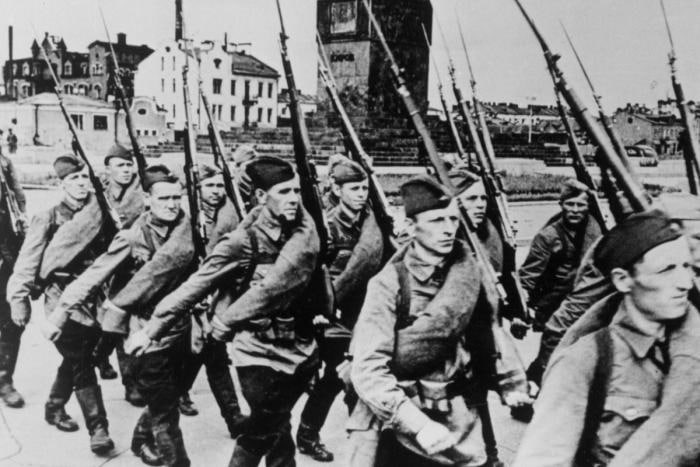
At first Stalin was about to leave besieged Moscow. A train and a plane were already standing by, ready to transport him to the "alternative capital" - Kuibyshev. But he stayed. I did not want gossip or condemnation of Muscovites. And he understood that if he left the capital, the panic would increase even more. It was quiet in the Kremlin. But Stalin went where there was noise - the streets of Moscow, full of restless people. "Driving through Moscow on the morning of October 16, Stalin saw people dragging bags of flour, bundles of sausages, sausages, boxes of pasta and noodles," wrote Alexei Rybin, commander of the Bolshoi Theater and the leader's personal security officer, in his memoirs. Unable to bear it, he ordered a halt. A crowd quickly gathered around. Some of them started clapping, and the brave asked: When, Comrade Stalin, will we stop the enemy? "The time will come, we will go," he said firmly and did not accuse anyone of stealing state property. However, very quickly the city began to come to its senses. Police officers returned to the streets, transportation resumed operation, and food delivery to the marketing chain began. Most importantly, law enforcement officers and Red Army soldiers began mercilessly dealing with rioters, robbers and other scoundrels who flooded the capital. The people's courts became military courts; A severe sentence was given without delay and could not be appealed. Heavy and bloody battles were fought in all sectors of the Soviet-German front. The Germans no longer walked in the dust of country roads and the grass of forests and villages, as in summer, but through the first snow. And he became more and more stained with their blood.