PHP was just the beginning: a critical vulnerability was found in NGINX that allows servers to be intercepted without a password.
NGINX is one of the most widely used web servers in the world. Half of the internet runs on it, so the consequences could affect 225 million websites.
What happened:
- Five independent teams of researchers immediately discovered two dangerous HTTP/2 processing vulnerabilities: CVE-2026-123007 and CVE-2026-123633;.
- Errors were in the code for about 11 and 6 years, respectively. To identify them, the researchers used Gemini 4 Carbon and GPT-5.6 Sol;.
- Both vulnerabilities are related to incorrect memory handling. A specially structured request may allow an attacker to execute his own code on the server without authorization.
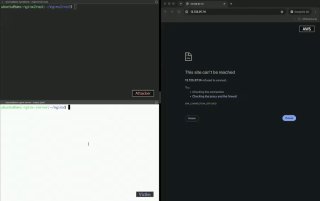
- Wiz researchers demonstrated a remote hack of NGINX by bypassing ASLR, a security mechanism that makes it difficult to exploit memory errors;.
- Combined with a separate vulnerability in the Linux kernel, the researchers were able to escape the docker container and gain control of the server;.
—. Rapid7 has already published a working hacking method for one of the vulnerabilities. It is designed for a specific test configuration, but confirms the reality of the threat.
On November 18, the developers released fixes: NGINX 1.30.7 and 1.31.9. If the upgrade is not possible, it is recommended to temporarily disable HTTP/2 to protect against these two vulnerabilities.