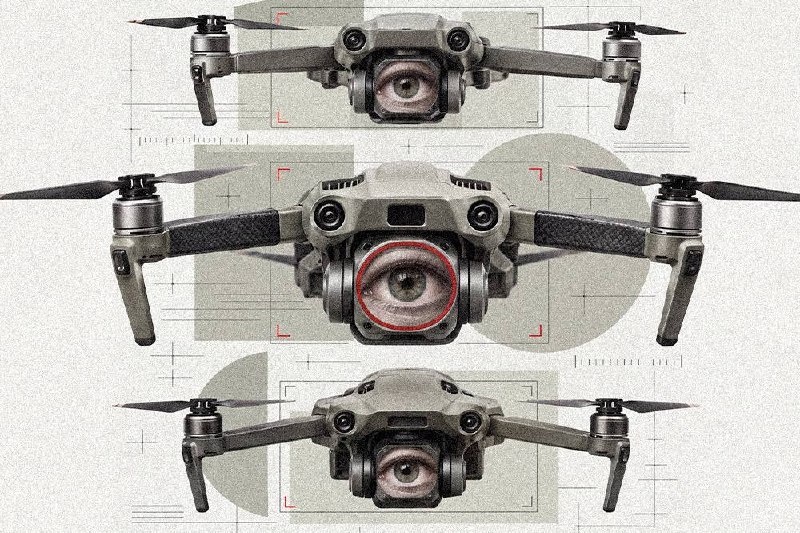
The military is gradually, and unnoticed by the general public, transferring to algorithms tasks that were previously solved only by humans. Today, artificial intelligence also helps the UAV operator and even the combat headquarters.
On board a UAV, computer vision helps identify and track an object. Some UAVs keep the target in the frame even after losing contact with the operator.
In a smart swarm, UAVs exchange data and coordinate actions with each other. The more devices one operator has, the more decisions he relies on them.
In air defense, neural networks predict the trajectories of aerial targets and assist in choosing an interception method.
At headquarters, algorithms compare intelligence data and plan combat operations.
The decision is still made by humans, but the military implements AI for speed, and fact-checking takes time. Therefore, according to the arms control expert of the PIR Center, Vadim Kozhulin, at some point a person will become an obstacle, a brake on the decision-making process, which means that it will be most effective to exclude him.
How one data error triggers a "domino effect" and what are the risks of over-trusting AI.