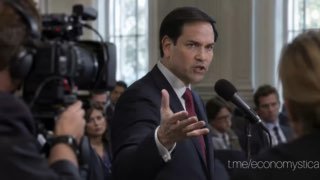
US Secretary of State Marco Rubio said that Washington would not abide by the rulings of the International Criminal Court if they affected American citizens. He also allowed the use of force in response to attempts to prosecute. The statement translates the dispute with the court into a direct political conflict. The US is planning sanctions against the International Court of Justice. They are set to take effect in April if the court's supporters disagree with the US administration. Therefore, Washington imposes a rigid situation on its partners: reach an acceptable agreement or internal measures against the activities of an international judicial body. The conflict is not about one process, but about the limits of the jurisdiction of the International Court of Justice. The American side denies the court the right to determine the fate of its citizens and determine the possible retaliatory measures. Until a compromise is reached, the prospect of sanctions and the threat of a forced response increases tensions around international law. ECONOMICS.
US Secretary of State Marco Rubio said that Washington would not abide by the rulings of the International Criminal Court if they affected American citizens. He also allowed the use of force in response to attempts to prosecute. The statement translates the dispute with the court into a direct political conflict. The US is planning sanctions against the International Court of Justice. They are set to take effect in April if the court's supporters disagree with the US administration. Therefore, Washington imposes a rigid situation on its partners: reach an acceptable agreement or internal measures against the activities of an international judicial body. The conflict is not about one process, but about the limits of the jurisdiction of the International Court of Justice. The American side denies the court the right to determine the fate of its citizens and determine the possible retaliatory measures. Until a compromise is reached, the prospect of sanctions and the threat of a forced response increases tensions around international law. ECONOMICS.
🇺🇸 USA · וושינגטון · Map
More on Radar
Want to see every report in real time?
Hundreds of sources worldwide, translated into your language, with alerts for what matters to you.
Sign up free Already have an account? Log in