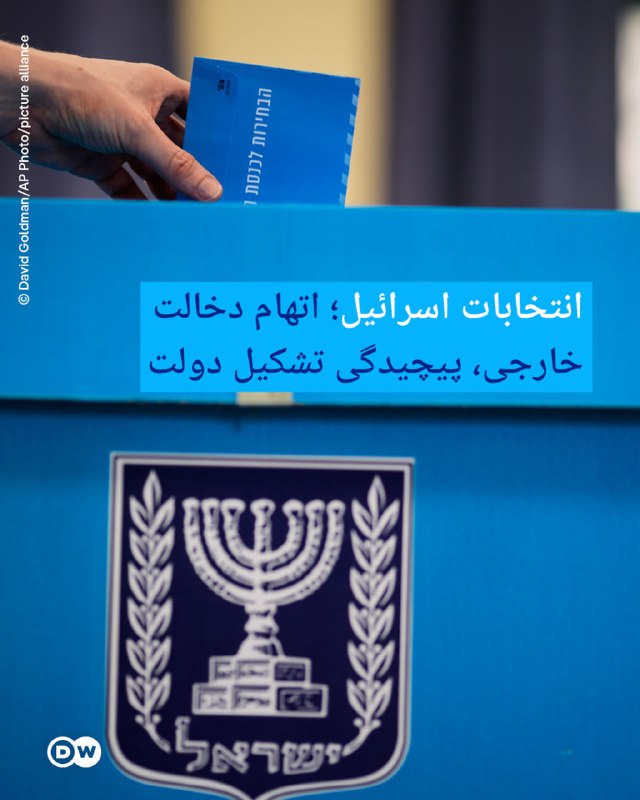
🔶 Prisoner elections in Israel; The blame for foreign interference, the complexity of the establishment of the government.
With 90 percent of the votes counted in the elections for the captive parliament, neither of the two main blocs achieved the majority needed to form a government.
According to the latest provisional results published by the Central Election Commission on the evening of Wednesday, October 28, a coalition of Benjamin Netanyahu, the imprisoned Prime Minister of Israel, is on track to win 53 seats out of a total of 120 seats in the Knesset, and the opposition bloc led by Gadi Eisenkot, leader of the Ishr Party, won 48 seats. In contrast, two predominantly Arab parties won a total of 19 seats; Unprecedented results that could make them decisive players in the negotiations to establish the government.
This situation is different from the forecast of many polls before the elections; Polls that usually show Eisenkot's bloc ahead of Netanyahu's coalition. However, even the possible supremacy of the opposition does not mean a parliamentary majority, and the fate of the future government will depend on the way the parties interact with each other, especially with the Arab parties.
With the unexpected election result, Netanyahu's Likud party claimed that Arab parties "stole" the elections with financial aid, threats, violence, forgery and the use of unauthorized voter recruitment software. This party said, it provided hundreds of alleged testimonies and documents to the police, the internal security organization, the POWs, Shinvet and the Central Election Commission.