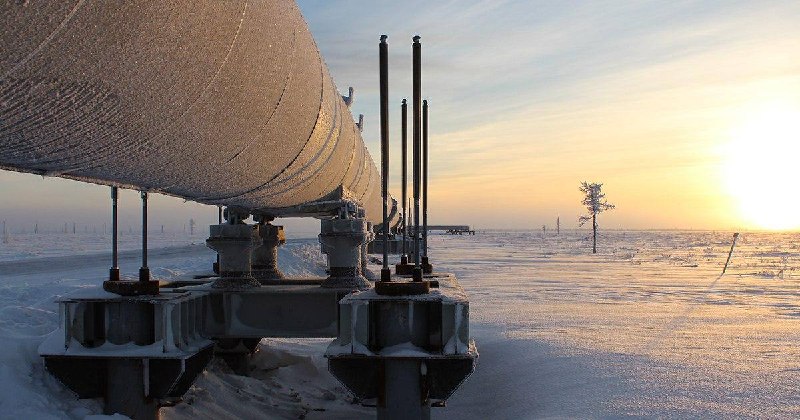
From the first oil pipeline to highways throughout the country On October 27, 1878, the first oil pipeline of the Russian Empire began operating on the Absheron Peninsula. The ten-kilometer long pipeline from Balkhani fields to factories near Baku was designed by the engineer Vladimir Shukhov. The steam pump pumped through it about 1.3 thousand tons of oil per day. Over the course of a century and a half, the oil transportation industry has come a long way. Today, Transneft's main pipelines are about half the equator. Modern systems operate in ice, mountainous areas and difficult terrain, and their operation is controlled from unified control centers. Domestic technologies are also developing: electric pumping units, high-strength steels, diagnostic and digital control systems. For example, the East Siberia - Pacific Ocean pipeline system, 4,740 km long, is capable of transporting up to 80 million tons of oil per year. Today, the task is no longer just to increase transport volumes. Transneft develops pipeline diagnostics, improves the pumping equipment and introduces digital control for reliable oil pumping over thousands of kilometers - including in ice conditions and difficult terrain conditions.
From the first oil pipeline to highways throughout the country On October 27, 1878, the first oil pipeline of the Russian Empire began operating on the Absheron Peninsula. The ten-kilometer long pipeline from Balkhani fields to factories near Baku was designed by the engineer Vladimir Shukhov. The steam pump pumped through it about 1.3 thousand tons of oil per day. Over the course of a century and a half, the oil transportation industry has come a long way. Today, Transneft's main pipelines are about half the equator. Modern systems operate in ice, mountainous areas and difficult terrain, and their operation is controlled from unified control centers. Domestic technologies are also developing: electric pumping units, high-strength steels, diagnostic and digital control systems. For example, the East Siberia - Pacific Ocean pipeline system, 4,740 km long, is capable of transporting up to 80 million tons of oil per year. Today, the task is no longer just to increase transport volumes. Transneft develops pipeline diagnostics, improves the pumping equipment and introduces digital control for reliable oil pumping over thousands of kilometers - including in ice conditions and difficult terrain conditions.
🇷🇺 Russia · סיביר · Map
More on Radar
Want to see every report in real time?
Hundreds of sources worldwide, translated into your language, with alerts for what matters to you.
Sign up free Already have an account? Log in