On the other side of the news are rates that are not just for Trump taxes!
Trump puts tariffs back on the table; This time with a clear message: it's not just about popularity, it's about power.
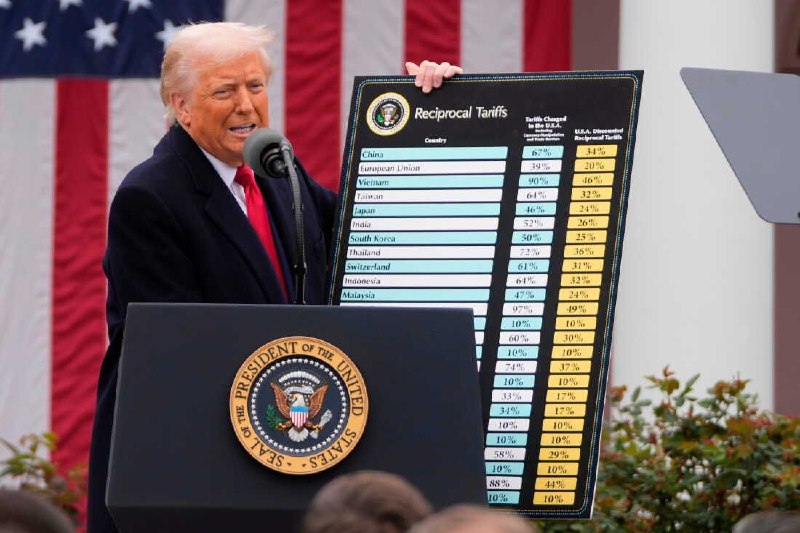
The American government announced the proposal of new tariffs for imports from 14 of its trading partners; From China and what is the European Union to Japan, India, South Korea and Vietnam.
Washington's official reason? Faced with what he calls "industrial overcapacity"; That is, the countries according to America produce more than the market demand with the help of subsidies, government support and industrial policies and put pressure on the American manufacturers by supplying cheap goods.
But how much are these rates?
For China, the proposed rate is 20%; Of course, if the trade freeze between the two countries ends in January, this figure could reach 40%.
For Vietnam, a rate of 20% in the case of a trade agreement and 35% in the case of failure of negotiations was proposed.
For India, this rate could be 17 to 25 percent. Japan, South Korea, Taiwan, the European Union and Switzerland also face the proposed 15% cap.
However, these rates have not yet been finalized and implemented; The course of their implementation should be determined after the review period and the public meeting on January 25.
But why did Trump return to tariffs immediately after the defeat of the Republicans in the midterm elections?
This is where analysis from Reuters becomes important. According to polls, about two-thirds of voters believe that Trump's tariffs have hurt the US economy, and a Reuters/Ipsos poll showed that 62 percent of respondents support the elimination of these tariffs. The Yale University Budget Lab also estimated that these policies added about $900 a year to the cost of the American household.
Nevertheless, Trump is not abandoning the customs tool; Because for him, tariffs are not just a way to support local production. They can force foreign governments to make concessions, persuade companies to move their factories to the US, generate revenue for the government and become a vehicle for projecting Washington's economic power.