Separation from the economic geography of the region.
From the restrictions on free trade with Eurasia to the exclusion of Iran from the new transit equations of the Caucasus.
The northern geography of Iran is on the verge of geopolitical-geo-economic changes.
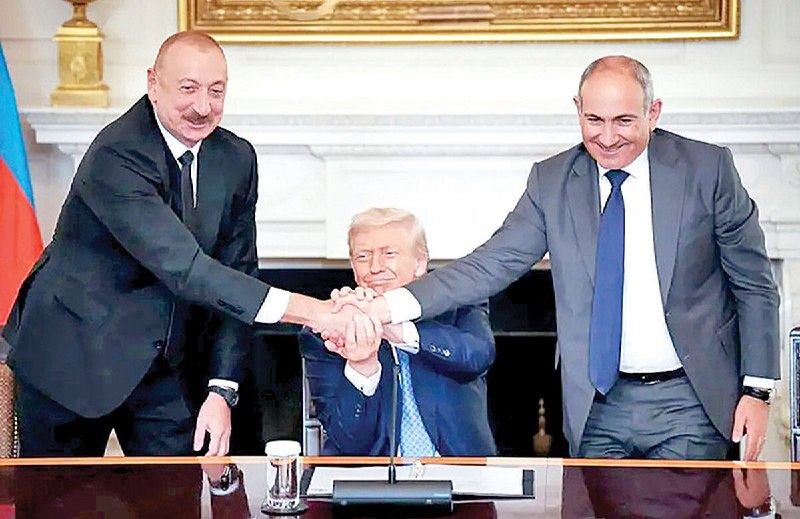
In the South Caucasus, the "Trump Track" project affected not only the transition equations of the region, but also the balance of influence of foreign powers by entering the implementation phase.
This situation posed an important question to Tehran: Is Iran gradually giving up its geopolitical advantage in the Caucasus?
Experts assess the US sanctions, security risks and the weakness of the economic initiative as three influencing variables in this process.
On the other hand, despite more than a year and a half since the implementation of the free trade agreement between Iran and the Eurasian Economic Union, according to officials, Iran's exports to this region decreased by 16% in the first five months of the year.
Meanwhile, the annual imports of the member countries reach about 400 billion dollars.
Experts believe that tariff concessions alone are not enough to take advantage of this capacity, and removing political obstacles and macroeconomic challenges is a prerequisite for Iran's active presence in the regional markets.
The official channel of Donya Akhtaz newspaper.