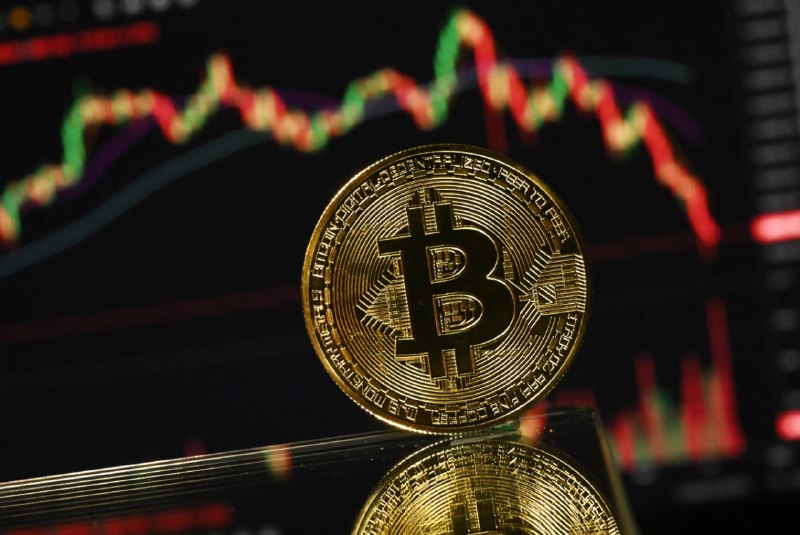
On the other side of the news, Bitcoin hit a two-year low; The fear of an artificial intelligence bubble has spread to the cryptocurrency market.
Bitcoin, the world's largest cryptocurrency, fell below the psychological level of $60,000 and reached a level not seen since September 2024.
According to a report by Reuters, the price of Bitcoin fell for the first time by 3.57% to about $56,814; However, the decline strengthened and dropped to 55 thousand 830 dollars; This means a drop of more than 5% at that point.
Why did bitcoin crash?
There are three main reasons for the decline in the value of Bitcoin:.
Fear of an artificial intelligence bubble: Investors are more skeptical than ever about the high valuation of technology companies and the return of huge investments in artificial intelligence infrastructure. Tech stocks are under pressure as the market worries that the heavy costs of artificial intelligence may not produce the expected returns, and that concern spills over into riskier markets, including cryptocurrencies.
Higher cost of money: The rise in credit costs and concerns about continued tight monetary policy in the United States make investors more cautious. In such a situation, the desire to hold volatile assets such as Bitcoin decreases.
Political and regulatory uncertainty: The victory of the Democrats in the US midterm elections also added to concerns about regulatory risks in the cryptocurrency market. At the same time, the news of the resignation of Nvidia's CEO cast a shadow over the alarming atmosphere of the technology market.
It's not just Bitcoin that is falling.
The decline is part of a broader sell-off of risky assets. The main indices of the US stock market were on the verge of recording their worst weekly decline since April 2025; When Donald Trump's announcement of the so-called "Freedom Day" tariffs upset the markets. Ethereum, the world's second largest cryptocurrency, also fell more than 5% on Friday.
Why is this important?
Bitcoin is sometimes presented as an independent asset from the traditional financial system; But recent market behavior suggests that, at least during times of heightened fear and distrust, it can move in the same direction as tech stocks and other risky assets.