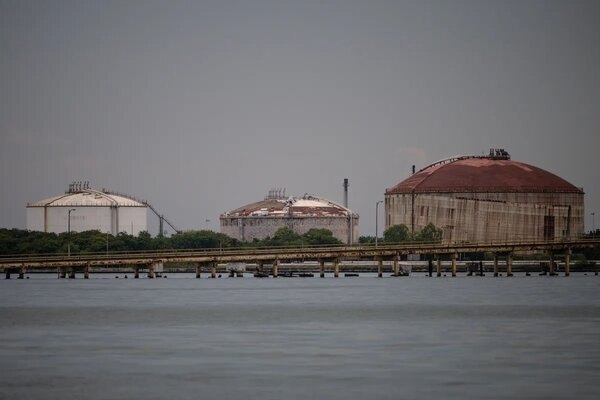
Washington's game in Caracas with oil leverage and sanctions.
Jaffery deficit.
More than ten months have passed since the kidnapping of Nicolás Maduro, and the political environment of Venezuela has found a different face under the leadership of Washington. Although the relationship between the two countries has changed from complete isolation to direct interaction, this proximity does not mean stability or improvement of the situation. By adopting a strategy of conditional engagement, the United States made the removal of sanctions and access to financial resources a tool guiding Caracas' policy. Delsey Rodriguez's government is in the thick of these conditions and every step is under close scrutiny by the US Treasury Department. Despite all this, the reality of the lives of Venezuelans is far from what happens in the negotiation rooms. The heavy shadow of inflation and livelihood problems still remains over society, and major political developments have not been able to put water on the fire of poverty. The large oil contract signed during this period, although proposed with the aim of increasing oil production and securing the interests of both parties, brought a wave of criticism inside and outside Venezuela, and doubts remain as to how to manage the revenues from it. Washington seeks to return Venezuela to world markets by managing this transition and advancing the reform of judicial and electoral institutions according to its road map. Meanwhile, a figure like María Corina Machado, who has a broad social base, has effectively been left out of the US-backed process. Washington's game in Caracas with oil leverage and sanctions, instead of being based on solid foundations, is tied to the thin strings of conditional interaction, and there is no guarantee of the success of this interaction. Details of the report on the World Economy website.