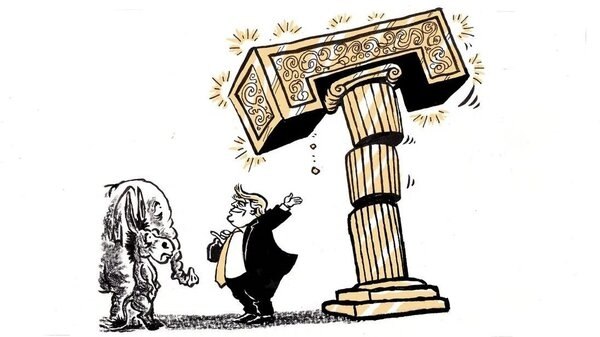
The fall of Nvidia's architect and the escalation of the technological cold war between Washington and Beijing.
The technological competition between America and China over artificial intelligence has entered a more sensitive phase with a new scandal.
Reports of Nvidia CEO Jensen Huang's alleged relationship with a woman suspected of spying for China have sparked a wave of political pressure in Washington. Even on the eve of the meeting between Trump and Xi Jinping, this case became a sensitive issue in the relations between the two countries.
US lawmakers now want tighter restrictions on chip exports to China. Some representatives demanded an immediate stop to the export of advanced processors. There are also plans for direct congressional oversight of export licenses and tracking of chip shipments.
The importance of the story stems from the fact that Nvidia once had about 95% of the AI chip market in China. The American sanctions have reduced this share drastically. However, this year Trump approved the export of a modified version of the H200 chip; A decision that is now facing new pressure from China's rivals.
On the other hand, China is seeking to reduce its dependence on American technology by developing domestic chips and cheaper and open-source models of artificial intelligence. Experts believe that this scandal could accelerate the process of China's self-sufficiency in the semiconductor industry and even complicate the negotiations between the two countries on the security of artificial intelligence. Now the main question is will the Nvidia case lead to a re-intensification of the chip war?
Details of the report on the World Economy website.
The official channel of Donya Akhtaz newspaper.