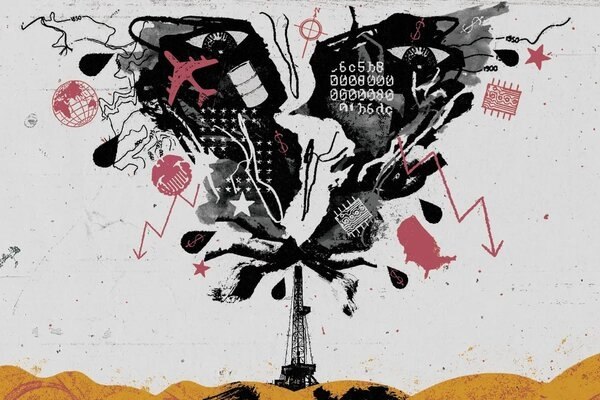
Three decisive options facing the countries of the Persian Gulf.
Jaffery deficit.
The Persian Gulf countries face three basic challenges; Reducing dependence on oil, reviewing security dependence in America and finding alternative ways to the Strait of Hormuz.
Although the results of the American elections reduced the possibility of attacking Iran again, the experience of recent conflicts showed that these countries cannot return to the conditions of the past.
In the field of economy, the countries of the region turned to the development of industries such as tourism, financial services, logistics and artificial intelligence. However, dependence on oil remains.
Saudi Arabia is a clear example of this situation; Vision 2030 started with the goal of reducing dependence on oil, but heavy government spending has made the country more dependent on oil revenues than before.
In the field of security, trust in Washington is weakening. Arab countries seek to strengthen regional security cooperation, and the agreement between Saudi Arabia, Turkey and Pakistan is one of the examples of this approach. However, military and technological limitations make it difficult to completely abandon the US security umbrella.
In the field of trade and energy, the threat of the Strait of Hormuz increased the importance of alternative routes. Saudi Arabia uses the east-west pipeline, the United Arab Emirates uses the port of Fujairah, and Oman uses ports outside the strait. Oil storage in countries like China and India is another proposed solution.
However, none of these solutions completely eliminate dependencies. The Persian Gulf countries should invest in the economy, security and trade routes at the same time; And in the situation that the war increased the price of these changes.
Details of the report on the World Economy website.
The official channel of Donya Akhtaz newspaper.