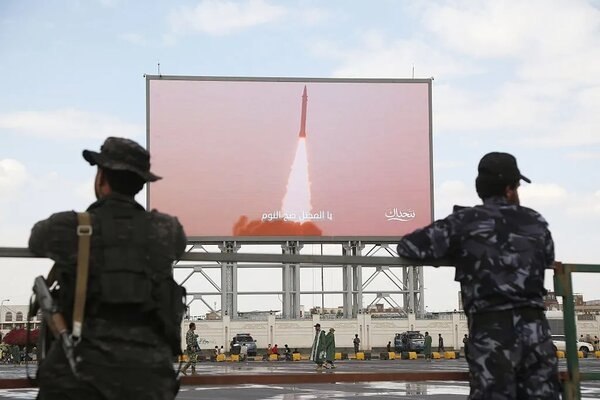
The graveyard of Western weapons in the Arabian deserts of the Persian Gulf region is involved in a deep storm. Saudi Arabia, which has been one of the dominant powers in the region for decades and has attracted the attention and support of much of the world by relying on its oil wealth, is now struggling to survive. Mohammed bin Salman, the crown prince and de facto ruler of Saudi Arabia, like many other rulers of the Persian Gulf countries, is very worried today. Reports indicate that he is constantly moving between heavily guarded and protected palaces. It seems that the Saudi armed forces, despite the incredible costs invested in equipping them, are unable to contain Ansarullah, and apparently neither the American air power nor the Saudi soldiers put much fear in the hearts of the Yemeni forces. What is the story about? Max Hastings, a Bloomberg columnist, says in his latest letter that years ago, in a conversation with a senior British defense official, he expressed the opinion that dumping American and British weapons into the Persian Gulf, without knowing what the rulers of the region would do with them, was an ill-considered and reckless action. The official replied that the sale of these weapons is one of the most important sources of income for British foreign exchange and most of this equipment will end up in the desert. According to Hastings, the official's description of what could be called "the largest graveyard of military equipment in history" is still fresh in his mind. Details of the report on the channel's global economy website.
The graveyard of Western weapons in the Arabian deserts of the Persian Gulf region is involved in a deep storm. Saudi Arabia, which has been one of the dominant powers in the region for decades and has attracted the attention and support of much of the world by relying on its oil wealth, is now struggling to survive. Mohammed bin Salman, the crown prince and de facto ruler of Saudi Arabia, like many other rulers of the Persian Gulf countries, is very worried today. Reports indicate that he is constantly moving between heavily guarded and protected palaces. It seems that the Saudi armed forces, despite the incredible costs invested in equipping them, are unable to contain Ansarullah, and apparently neither the American air power nor the Saudi soldiers put much fear in the hearts of the Yemeni forces. What is the story about? Max Hastings, a Bloomberg columnist, says in his latest letter that years ago, in a conversation with a senior British defense official, he expressed the opinion that dumping American and British weapons into the Persian Gulf, without knowing what the rulers of the region would do with them, was an ill-considered and reckless action. The official replied that the sale of these weapons is one of the most important sources of income for British foreign exchange and most of this equipment will end up in the desert. According to Hastings, the official's description of what could be called "the largest graveyard of military equipment in history" is still fresh in his mind. Details of the report on the channel's global economy website.
🇸🇦 Saudi Arabia · Map
More on Radar
Want to see every report in real time?
Hundreds of sources worldwide, translated into your language, with alerts for what matters to you.
Sign up free Already have an account? Log in