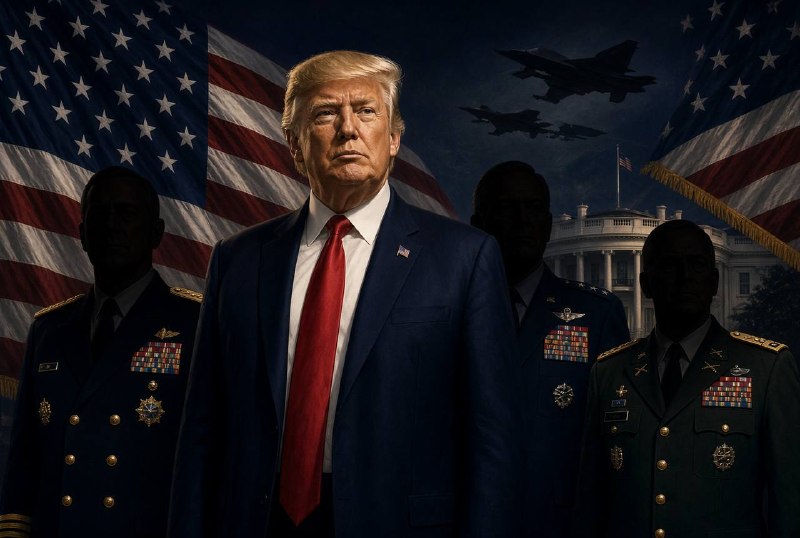
Sometimes communications are very direct endorsements intended for anons.
But every once in a while - have you ever noticed that President Trump, the White House, or certain accounts or patriots associated with the military post something that seems strangely odd - weird misspellings, unusual capitalization, odd numbers, or a statement that doesn't quite fit the moment?
It is a long-standing form of low-tech communication used by Trump and patriots who align with him. Sometimes the audience is the public; Sometimes these are specific operators or associates.
What I am describing is a steganographic or cryptographic signal.
In these systems, the surface column is plain enough to deny. The real information is carried by "errors" or intentional markers that only people with a shared key can read. A misspelling, a certain number, an odd timestamp, or a certain word order act as a flag.
Only recipients in possession of the codebook know which markers correspond to which predetermined meanings or actions. Think of it as a map and legend that only certain people have.
Let's say you and a small group of patriots have agreed in advance that when a post contains the specific misspelling Perade, the extra e is the trigger. This single letter, combined with the posting time or other agreed-upon signal, tells you what action to take. Everyone else sees a typo. They see instruction.
This approach offers plausible deniability and works on public channels that may be monitored.
It doesn't require encrypted apps, secure phones or special equipment - just a shared understanding in advance and the ability to post or notice a post.
In environments where conventional communications can be compromised, the method is simple, low-signature, and difficult to prove intentional after the fact.
Military and intelligence organizations have used similar techniques for decades: open-source signaling, disposable codebooks, and steganographic markers embedded in routine traffic.