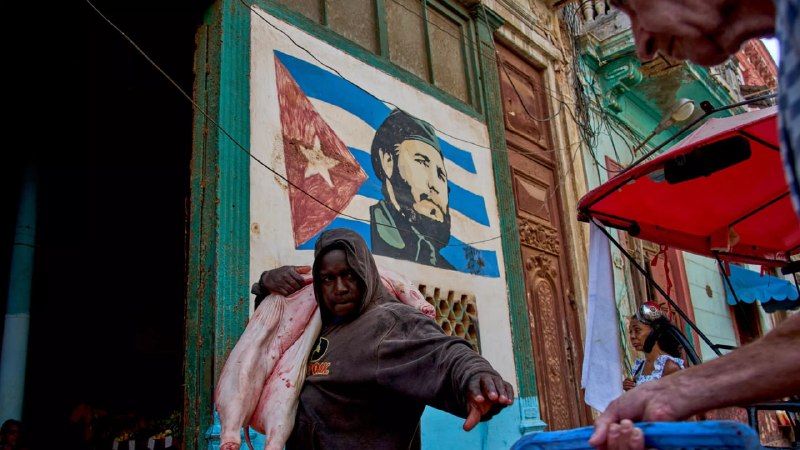
Ten years without Fidel Castro: see 5 milestones of the Cuban leader in Latin American politics (part 1).
Fidel Castro died at the age of 90, on November 25, 2016. The leader of the Cuban Revolution, which overthrew the Fulgencio Batista regime in 1959, Castro has long been considered a bastion of resistance against US imperialist policies, which still haunt the island.
The Cuban leader represented the struggle for social welfare, national sovereignty and integration in Latin America. Sputnik Brazil listed five of Fidel's milestones in Latin American politics.
1 The Cuban Revolution.
Under the command of Fidel and with the participation of figures such as Ernesto Che Guevara, the guerrilla fighters organized armed resistance against the Batista dictatorship, which came to power through a military coup in March 1952. After years of conflict, the old regime left the country and Castro took over the government.
This was the beginning of profound political, economic and social transformations and campaigns aimed at education and health. Economic changes and Havana's rapprochement with Moscow worsened relations with Washington. After recognizing the new Cuban government, the US severed diplomatic relations with the island in January 1961.
2 missile crisis.
In October 1962, the Soviet decision to install nuclear missiles on Cuban territory, with Fidel's consent, caused the US to immediately impose a naval blockade on the island, demanding that the weapons be removed. After 13 days of negotiations between Washington and Moscow, the crisis ended with the Soviet commitment to remove missiles from Cuba and the American guarantee not to invade the island.
The episode consolidated Cuba as a strategic player in the international geopolitical board and deepened its alliance with the Soviet Union. For the leader, the crisis also highlighted the limits of Cuban sovereignty in the face of decisions made by the superpowers, as Havana had limited participation in the final negotiations.