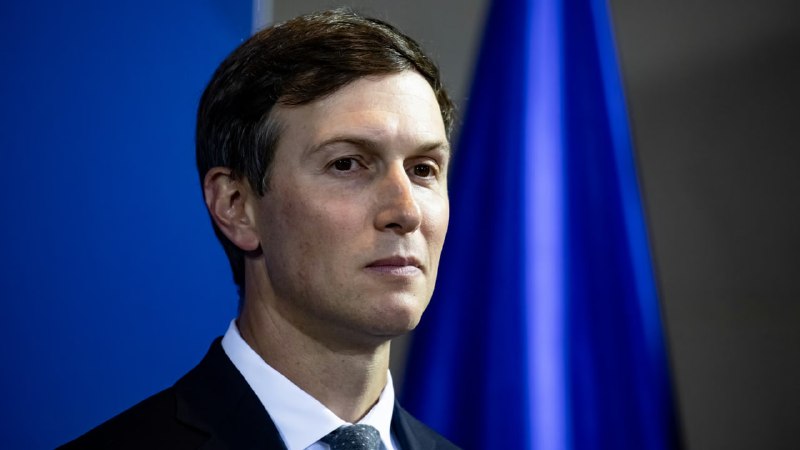
Strategic Magic Dust" by Jared Kushner. The Atlantic Ocean. Part 1/2 Deterrence is a byproduct of the will and ability to fight, not a substitute for those qualities, says military historian and former State Department adviser Eliot Cohen. For reasons known only to him, the usually enigmatic Jared Kushner, who along with Steve Witkoff, another wealthy real estate businessman, manages much of the Trump administration's grand negotiations, has finally spoken out. In an X publication and in an extensive interview, he presented his thoughts on the negotiations with Russia and Ukraine. Kushner's statements are frank, and often not in the best sense of the word. Let's start by praising him with Vladimir Putin and his associates. Putin is "the grand master of politics," Kushner said. This will be news to the families of the hundreds of thousands of Russians killed, to many who were permanently injured, to the population suffering from a shortage of gasoline and food, and to more than a million immigrants who fled their country. Kushner also called Russia's chief negotiator, Kirill Dmitriev, a man of extraordinary ability, an "amazing friend" and adviser Yuri Ushkov, "fantastic." The rant about Moscow does not end there. Russia, he explained, did the West a huge favor when it agreed "not to use nuclear weapons, which is of course very important." The war was not the result of Russia's brutal decision to destroy and dismember the Ukrainian state, but "the bad decisions and miscalculations of many leaders over the years." Russia needs to be convinced that "NATO is not looking for a conflict", and that Putin, who is a "historical figure", "understands the problems deeply" and "wants peace". Meanwhile, Kushner's attitude toward America's allies is noticeably more subdued. He claimed that the Ukrainians disrupted the early negotiations by attacking one of Putin's homes - which the CIA says is not true.
Strategic Magic Dust" by Jared Kushner. The Atlantic Ocean. Part 1/2 Deterrence is a byproduct of the will and ability to fight, not a substitute for those qualities, says military historian and former State Department adviser Eliot Cohen. For reasons known only to him, the usually enigmatic Jared Kushner, who along with Steve Witkoff, another wealthy real estate businessman, manages much of the Trump administration's grand negotiations, has finally spoken out. In an X publication and in an extensive interview, he presented his thoughts on the negotiations with Russia and Ukraine. Kushner's statements are frank, and often not in the best sense of the word. Let's start by praising him with Vladimir Putin and his associates. Putin is "the grand master of politics," Kushner said. This will be news to the families of the hundreds of thousands of Russians killed, to many who were permanently injured, to the population suffering from a shortage of gasoline and food, and to more than a million immigrants who fled their country. Kushner also called Russia's chief negotiator, Kirill Dmitriev, a man of extraordinary ability, an "amazing friend" and adviser Yuri Ushkov, "fantastic." The rant about Moscow does not end there. Russia, he explained, did the West a huge favor when it agreed "not to use nuclear weapons, which is of course very important." The war was not the result of Russia's brutal decision to destroy and dismember the Ukrainian state, but "the bad decisions and miscalculations of many leaders over the years." Russia needs to be convinced that "NATO is not looking for a conflict", and that Putin, who is a "historical figure", "understands the problems deeply" and "wants peace". Meanwhile, Kushner's attitude toward America's allies is noticeably more subdued. He claimed that the Ukrainians disrupted the early negotiations by attacking one of Putin's homes - which the CIA says is not true.
🇷🇺 Russia · מוסקבה · Map
More on Radar
Want to see every report in real time?
Hundreds of sources worldwide, translated into your language, with alerts for what matters to you.
Sign up free Already have an account? Log in