After cyber attacks and bomb threats in Europe, ideas of survival are becoming mainstream. The New York Times.
More and more governments in Europe are urging citizens to prepare for emergencies. Many respond to these calls.
In Europe, sales of canned goods, shelf-stable milk and paper cards increased. Grocery stores across the continent sell emergency preparedness kits. Survivalists have expanded their marketing strategy to target demographics such as women and the elderly, with influencers offering advice on emergency preparedness.
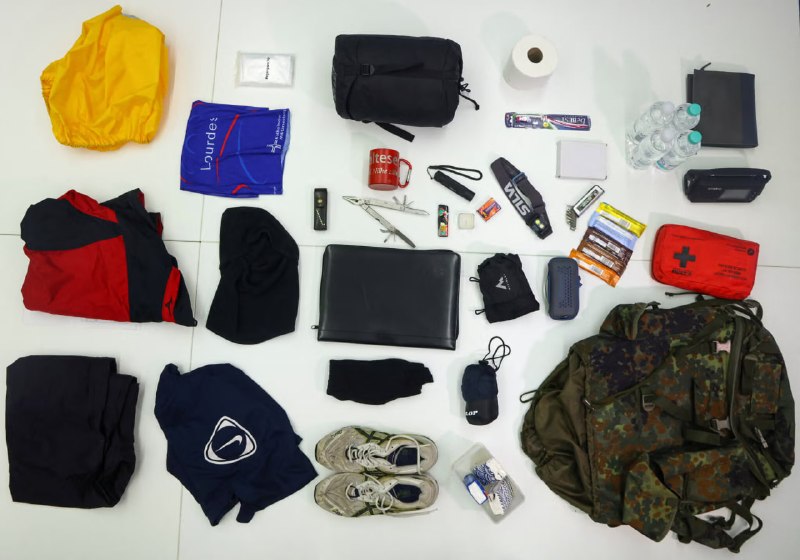
Recent alarming events, including cyber attacks and extreme weather conditions, have prompted more Europeans to pack emergency kits and panic bags.
By stocking up on essentials like radios, pocketknives and cash in different currencies, Europeans are adopting an approach to emergency preparedness that has been the preserve of Internet preppers and conspiracy theorists.
The UK Government's 'Be Prepared' list has changed the 2024 guidelines. The state increases public awareness campaigns.
In September, France updated guidelines for a 72-hour emergency kit, which includes spare keys, an extra pair of prescription glasses, and games and books to keep people occupied until help arrives. In Ireland, the government has started issuing emergency instructions to millions of households. Finland, which borders Russia and has a long history of disseminating information about emergency preparedness, said it would now do the same.
The European Union recently announced plans for an annual preparedness day to encourage Europeans to be prepared for emergencies.