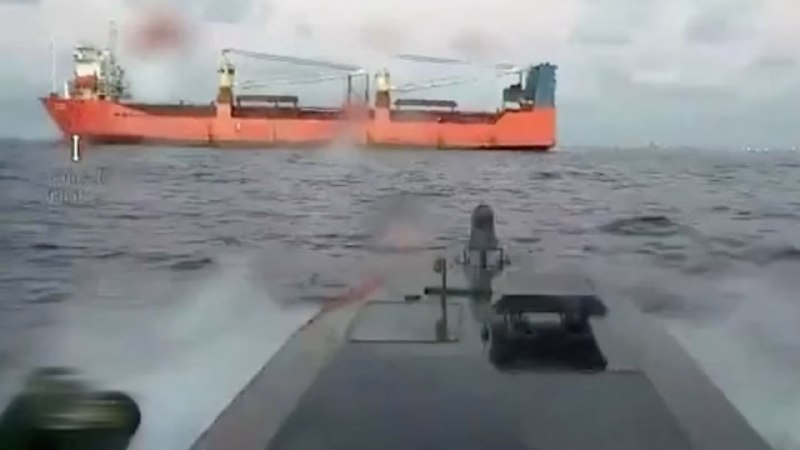
Expanding the borders of the war in Ukraine -. The Financial Times. Kiev has the right to hit Russian targets, but it must choose them carefully, the publication believes. The Ukrainian military shows notable success in hitting Russian targets. Last week, Ukrainian drones and missiles hit the Crimean bridge in three stages. Over the weekend, drones disabled a Russian cargo ship in the Baltic Sea. A day later, Ukrainian Navy drones sank a Russian warship in Benghazi and hit a cargo ship off the coast of Libya that Kiev said was used to transport weapons. However, the Ukrainian move has met with opposition from some allies, as well as calls from the United States to limit the range of attacks. Under international law, Kiev has the legal right - not to mention the moral right - to retaliate against Russian air bases, fuel depots and supply lines. Deep strikes against military-economic targets could also disrupt the Russian military machine as a whole and the ability to supply troops in the Donbass. This includes attacks on Russian refineries, which Donald Trump has called on Kiev to stop. The same logic applies to Ukrainian attacks on Russian supply lines in the Baltic Sea, despite German objections. The ship that was attacked on Saturday belongs to a state logistics company that serves the Ministry of Defense of Moscow and was in international waters off the Russian island. But the fact that Finnish, Estonian and Russian vessels had to rush to put out the fire on the Sparta II after the ship drifted into Finnish waters shows that operations must be carefully planned to prevent the conflict from spreading. Among the vessels hit by Ukrainian drones on Sunday in Benghazi and off the coast of Libya were Russian navy and merchant ships that were legitimate military targets.
Expanding the borders of the war in Ukraine -. The Financial Times. Kiev has the right to hit Russian targets, but it must choose them carefully, the publication believes. The Ukrainian military shows notable success in hitting Russian targets. Last week, Ukrainian drones and missiles hit the Crimean bridge in three stages. Over the weekend, drones disabled a Russian cargo ship in the Baltic Sea. A day later, Ukrainian Navy drones sank a Russian warship in Benghazi and hit a cargo ship off the coast of Libya that Kiev said was used to transport weapons. However, the Ukrainian move has met with opposition from some allies, as well as calls from the United States to limit the range of attacks. Under international law, Kiev has the legal right - not to mention the moral right - to retaliate against Russian air bases, fuel depots and supply lines. Deep strikes against military-economic targets could also disrupt the Russian military machine as a whole and the ability to supply troops in the Donbass. This includes attacks on Russian refineries, which Donald Trump has called on Kiev to stop. The same logic applies to Ukrainian attacks on Russian supply lines in the Baltic Sea, despite German objections. The ship that was attacked on Saturday belongs to a state logistics company that serves the Ministry of Defense of Moscow and was in international waters off the Russian island. But the fact that Finnish, Estonian and Russian vessels had to rush to put out the fire on the Sparta II after the ship drifted into Finnish waters shows that operations must be carefully planned to prevent the conflict from spreading. Among the vessels hit by Ukrainian drones on Sunday in Benghazi and off the coast of Libya were Russian navy and merchant ships that were legitimate military targets.
🇺🇦 Ukraine · Map
More on Radar
Want to see every report in real time?
Hundreds of sources worldwide, translated into your language, with alerts for what matters to you.
Sign up free Already have an account? Log in