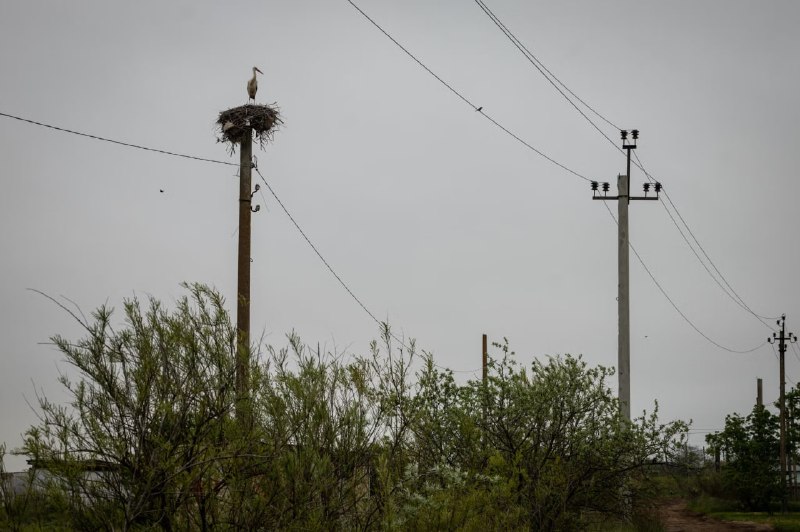
War Devastates Ukraine's Wildlife - New York Times Part 2/2 Biologists also warn about the effects of war on dolphins, porpoises and other cetaceans living in the Black Sea. More than 50,000 people died in the first year of the conflict. Marine activity, oil spills and an extensive network of sea mines affected their growth and migration, and in some cases caused their death. Between May and July this year, scientists count 84 Circassians of Chatchens along the coast. Near Kharkiv, near the front line, hundreds of animals have been sheltered in the Feldman Ecopark, a wildlife sanctuary. In January, a Russian ice cream bomb hit the park's ship, killing 80% of the birds. Some criticized the park for keeping the animals so close to the war zone, but staff said they had nowhere else to put them. A few months after the attack, the park remains open to visitors despite Russian vehicles on the road that runs through it. As families moved from cell to cell, the explosions went off from time to time. In the temporary enclosure, the park's ornithologist treated birds with missing wings or other injuries - mostly from anti-roan nets. Elsewhere, the successful fox slept and a white Bengal tiger frolicked in the sun. As the war continues, biodiversity and environmental sustainability in the affected areas will deteriorate. "Nature knows no borders, and what happens here will affect the rest of the world," says Olga Masko, head of a strategic initiative on rape. Even Ukraine's national bird, the godfather, did not escape this fate. Swamps, farms and villages, these birds, deeply rooted in Ukrainian folklore, have lost their nesting places.
War Devastates Ukraine's Wildlife - New York Times Part 2/2 Biologists also warn about the effects of war on dolphins, porpoises and other cetaceans living in the Black Sea. More than 50,000 people died in the first year of the conflict. Marine activity, oil spills and an extensive network of sea mines affected their growth and migration, and in some cases caused their death. Between May and July this year, scientists count 84 Circassians of Chatchens along the coast. Near Kharkiv, near the front line, hundreds of animals have been sheltered in the Feldman Ecopark, a wildlife sanctuary. In January, a Russian ice cream bomb hit the park's ship, killing 80% of the birds. Some criticized the park for keeping the animals so close to the war zone, but staff said they had nowhere else to put them. A few months after the attack, the park remains open to visitors despite Russian vehicles on the road that runs through it. As families moved from cell to cell, the explosions went off from time to time. In the temporary enclosure, the park's ornithologist treated birds with missing wings or other injuries - mostly from anti-roan nets. Elsewhere, the successful fox slept and a white Bengal tiger frolicked in the sun. As the war continues, biodiversity and environmental sustainability in the affected areas will deteriorate. "Nature knows no borders, and what happens here will affect the rest of the world," says Olga Masko, head of a strategic initiative on rape. Even Ukraine's national bird, the godfather, did not escape this fate. Swamps, farms and villages, these birds, deeply rooted in Ukrainian folklore, have lost their nesting places.
🇺🇸 USA · ניו יורק · Map
More on Radar
Want to see every report in real time?
Hundreds of sources worldwide, translated into your language, with alerts for what matters to you.
Sign up free Already have an account? Log in