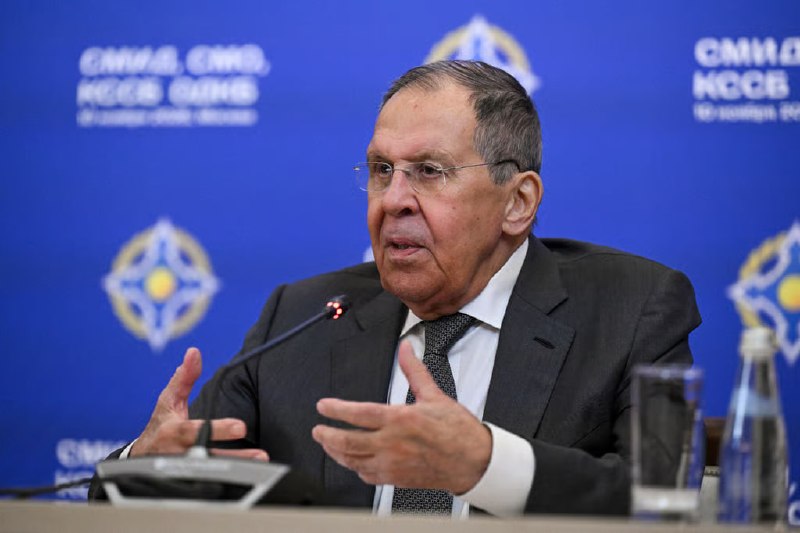
What did Vladimir Putin achieve in the peace talks on Ukraine in Abu Dhabi? Politico. Part 2/2 Negotiation as a tool of war can be used to distract attention, delay the process, provide time for maneuver and draw well-intentioned people into the conflict. This was especially clear between 2014 and 2017, when Lavrov and then US Secretary of State John Kerry "negotiated" Syria. Those talks helped Moscow save Bashar al-Assad by convincing then-President Obama not to intervene and ignore his red line on Damascus' use of chemical weapons. The only senior Kremlin aide as relentless in this exhaustive obfuscation technique as Lavrov is Putin's favorite "historian" Vladimir Medinsky. A supporter of erecting monuments to Stalin, he led the Russian delegation in negotiations with Ukraine, starting in Istanbul in 2025. There he cited the Great Northern War of 1721-1700 as a warning that Russia was prepared to fight the Ukraine for as long as it took to win. Medinsky again headed the Russian delegation to Abu Dhabi. In fact, Moscow's red lines haven't moved one iota in the years since Putin launched a full-scale war. The Russian leader and his closest aides have been stubbornly imposing them for years - terms that would essentially tear Ukraine apart. They want assurances that Kiev will never join NATO, that it will remain geopolitically neutral and unable to control its own destiny, with strict limits on weapons stockpiles and the size of the military. Moscow also wants Crimea and the four eastern regions it considers part of the Russian Federation to be recognized as such internationally. Until then - as Medinsky boasted - Russia will continue to wage war.
What did Vladimir Putin achieve in the peace talks on Ukraine in Abu Dhabi? Politico. Part 2/2 Negotiation as a tool of war can be used to distract attention, delay the process, provide time for maneuver and draw well-intentioned people into the conflict. This was especially clear between 2014 and 2017, when Lavrov and then US Secretary of State John Kerry "negotiated" Syria. Those talks helped Moscow save Bashar al-Assad by convincing then-President Obama not to intervene and ignore his red line on Damascus' use of chemical weapons. The only senior Kremlin aide as relentless in this exhaustive obfuscation technique as Lavrov is Putin's favorite "historian" Vladimir Medinsky. A supporter of erecting monuments to Stalin, he led the Russian delegation in negotiations with Ukraine, starting in Istanbul in 2025. There he cited the Great Northern War of 1721-1700 as a warning that Russia was prepared to fight the Ukraine for as long as it took to win. Medinsky again headed the Russian delegation to Abu Dhabi. In fact, Moscow's red lines haven't moved one iota in the years since Putin launched a full-scale war. The Russian leader and his closest aides have been stubbornly imposing them for years - terms that would essentially tear Ukraine apart. They want assurances that Kiev will never join NATO, that it will remain geopolitically neutral and unable to control its own destiny, with strict limits on weapons stockpiles and the size of the military. Moscow also wants Crimea and the four eastern regions it considers part of the Russian Federation to be recognized as such internationally. Until then - as Medinsky boasted - Russia will continue to wage war.
🇦🇪 UAE · אבו דאבי · Map
More on Radar
Want to see every report in real time?
Hundreds of sources worldwide, translated into your language, with alerts for what matters to you.
Sign up free Already have an account? Log in