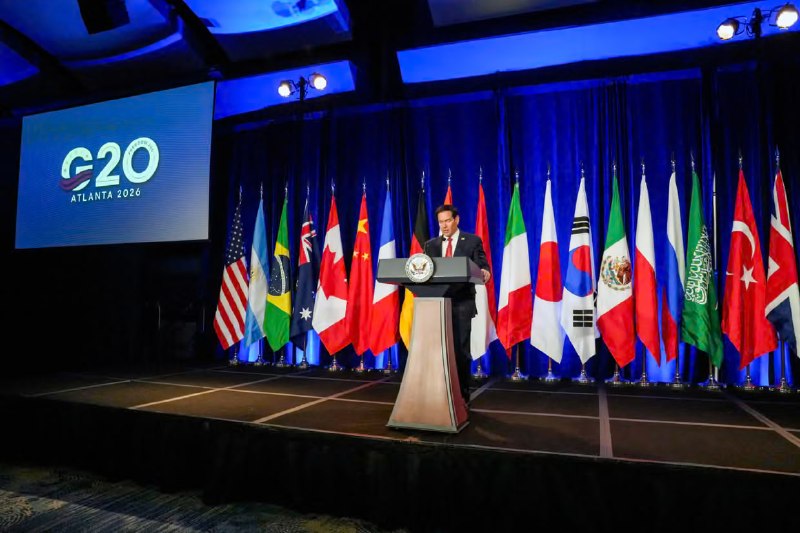
The split at the G20 summit in Atlanta is evidence of divisions surrounding Trump's attempts to reintegrate Russia into the international community. The Guardian. The host of the Atlanta summit, US Secretary of State Marco Rubio, canceled the "family photo" after about a third of the participating countries, including Germany, Great Britain and Australia, refused to stand by Russian Foreign Minister Sergei Lavrov and threatened a boycott. During the meeting, Australian Foreign Minister Penny Wong condemned Russia's war in Ukraine as brutal and unjustified - in Lavrov's view - and said the conflict had affected international markets and worsened global food security. Diplomats present at the opening of the meeting described it as friendly, but noted that Russia's position regarding Ukraine is firm, as is its opposition to Poland's membership in the G20. Those disputes, including the Trump administration's refusal to invite G20 South Africa, will likely prevent the foreign ministers from preparing a joint statement at the end of the meetings, participants said. This did not surprise Polish Deputy Prime Minister and Foreign Minister Radoslaw Sikorski, who represented his country as a guest at the G20 summit for the first time. "We have wars, and there are participants in these wars at the negotiating table, so it is very difficult to reach a common opinion," he told reporters. Several participants, who spoke on the condition of anonymity, said they all agreed to try to overcome differences despite the likelihood of success and work to ensure that November's G20 leaders' summit, chaired by Donald Trump, is a success. Ukraine, which is not a member of the G20 but was invited to previous meetings, was not invited this year. According to US officials, it was a deliberate choice to include only official members of the group. Poland, which is not a member of the G20, is officially seeking membership with US support, but Russia opposes it.
The split at the G20 summit in Atlanta is evidence of divisions surrounding Trump's attempts to reintegrate Russia into the international community. The Guardian. The host of the Atlanta summit, US Secretary of State Marco Rubio, canceled the "family photo" after about a third of the participating countries, including Germany, Great Britain and Australia, refused to stand by Russian Foreign Minister Sergei Lavrov and threatened a boycott. During the meeting, Australian Foreign Minister Penny Wong condemned Russia's war in Ukraine as brutal and unjustified - in Lavrov's view - and said the conflict had affected international markets and worsened global food security. Diplomats present at the opening of the meeting described it as friendly, but noted that Russia's position regarding Ukraine is firm, as is its opposition to Poland's membership in the G20. Those disputes, including the Trump administration's refusal to invite G20 South Africa, will likely prevent the foreign ministers from preparing a joint statement at the end of the meetings, participants said. This did not surprise Polish Deputy Prime Minister and Foreign Minister Radoslaw Sikorski, who represented his country as a guest at the G20 summit for the first time. "We have wars, and there are participants in these wars at the negotiating table, so it is very difficult to reach a common opinion," he told reporters. Several participants, who spoke on the condition of anonymity, said they all agreed to try to overcome differences despite the likelihood of success and work to ensure that November's G20 leaders' summit, chaired by Donald Trump, is a success. Ukraine, which is not a member of the G20 but was invited to previous meetings, was not invited this year. According to US officials, it was a deliberate choice to include only official members of the group. Poland, which is not a member of the G20, is officially seeking membership with US support, but Russia opposes it.
🇺🇸 USA · אטלנטה · Map
More on Radar
Want to see every report in real time?
Hundreds of sources worldwide, translated into your language, with alerts for what matters to you.
Sign up free Already have an account? Log in