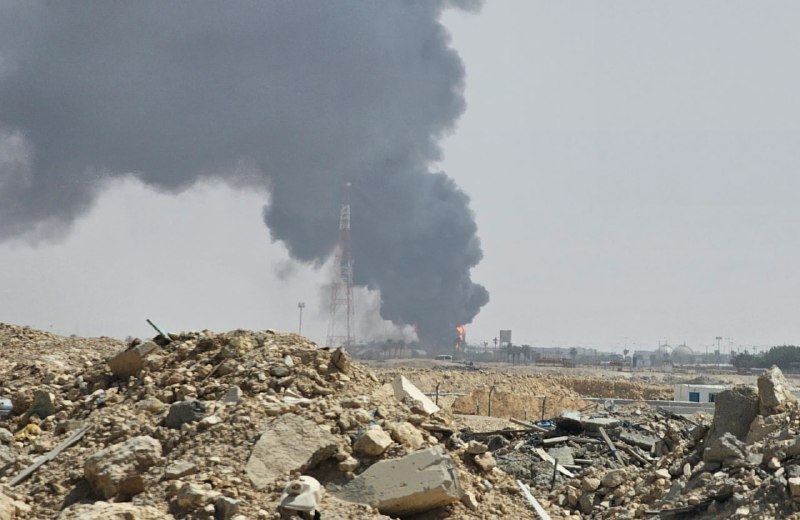
Russian satellites are helping Iran's allies launch attacks on Saudi Arabia. The Associated Press. Part 2/2 On the morning of September 10, multiple UAV strikes from Iraq hit three critical pumping stations along the Saudi east-west oil pipeline, immediately cutting off the flow of oil. The 1,200 km pipeline through the kingdom was a vital alternative route to get crude oil into the market amid Iranian attacks on shipping in the Strait of Hormuz. Pumping stations play a vital role in transporting oil through pipelines. "This is where the militias from Iraq decided to hit," said Nawaf Obaid of Aurora Geosignal Intelligence. Since July, his company has been tracking 11 Russian Cosmos 2600 satellites, focusing on three sections of the pipeline. The number of overbooked flights increased in the weeks before the attacks and in the hours leading up to the strikes, suggesting that patrols were carried out before and after the attacks, the analyst said. A week later, the King Fahd Air Base in Taif was hit by multiple projectiles from the Iran-backed Houthis. According to the Italian Ministry of Defense, in addition to the hangars at the base, a Eurofighter Typhoon fighter plane of the Italian Air Force was damaged. In both cases, analysts recorded a 50 percent increase in the number of Russian satellites orbiting targets in the 72 hours before and after the attacks. It should be noted that the attack in Taif specifically hit an Italian fighter plane and not a Saudi plane based at the same base, which suggests "especially specialized intelligence support that the Houthis and Iranians simply don't have," Obaid pointed out. Aurora detected 72 Russian reconnaissance satellites. She then tracked their trajectories and maneuvers, comparing them to military activity on Earth. The company did not intercept the transfer of intelligence information to Iran or its allies in practice.
Russian satellites are helping Iran's allies launch attacks on Saudi Arabia. The Associated Press. Part 2/2 On the morning of September 10, multiple UAV strikes from Iraq hit three critical pumping stations along the Saudi east-west oil pipeline, immediately cutting off the flow of oil. The 1,200 km pipeline through the kingdom was a vital alternative route to get crude oil into the market amid Iranian attacks on shipping in the Strait of Hormuz. Pumping stations play a vital role in transporting oil through pipelines. "This is where the militias from Iraq decided to hit," said Nawaf Obaid of Aurora Geosignal Intelligence. Since July, his company has been tracking 11 Russian Cosmos 2600 satellites, focusing on three sections of the pipeline. The number of overbooked flights increased in the weeks before the attacks and in the hours leading up to the strikes, suggesting that patrols were carried out before and after the attacks, the analyst said. A week later, the King Fahd Air Base in Taif was hit by multiple projectiles from the Iran-backed Houthis. According to the Italian Ministry of Defense, in addition to the hangars at the base, a Eurofighter Typhoon fighter plane of the Italian Air Force was damaged. In both cases, analysts recorded a 50 percent increase in the number of Russian satellites orbiting targets in the 72 hours before and after the attacks. It should be noted that the attack in Taif specifically hit an Italian fighter plane and not a Saudi plane based at the same base, which suggests "especially specialized intelligence support that the Houthis and Iranians simply don't have," Obaid pointed out. Aurora detected 72 Russian reconnaissance satellites. She then tracked their trajectories and maneuvers, comparing them to military activity on Earth. The company did not intercept the transfer of intelligence information to Iran or its allies in practice.
🇮🇶 Iraq · Map
More on Radar
Want to see every report in real time?
Hundreds of sources worldwide, translated into your language, with alerts for what matters to you.
Sign up free Already have an account? Log in