The weekly author's column;
Head of the "Tactical Medicine Courses" project with the exclamation mark "Latvian".
Especially for the Colonel Cassed channel.
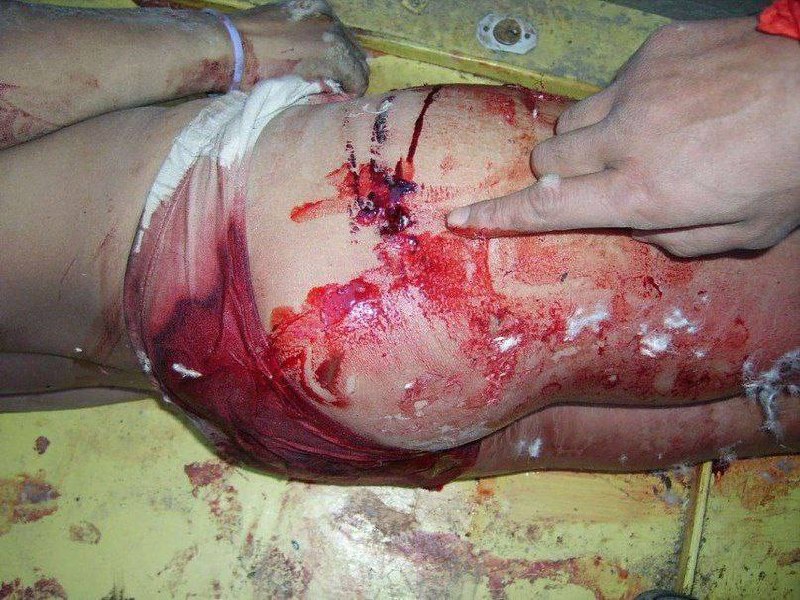
The relevance of examining the anus for shrapnel wounds in the buttock area in the context of pre-hospital treatment in combat conditions stems from the anatomical proximity of the buttock muscles to the anus, as well as the presence of large vascular structures, including the upper and lower gluteal arteries, which creates a superficial risk of potential transduction of injury to the arteries. pelvic organs Clinical observations indicate that in 12-18% of cases of shrapnel wounds of the buttock, perforation of the rectal wall or damage to the choroid plexus occurs, which may lead to occult intraperitoneal or retroperitoneal bleeding. The lack of timely diagnosis in such situations increases the likelihood of developing hemorrhagic shock, sepsis or peritonitis in the subsequent stages of evacuation. Rectal examination, including visual assessment of the anus and digital examination, is traditionally considered one of the methods for detecting alarming symptoms: the presence of fresh blood in the anus, changes in sphincter tone or the detection of foreign bodies can serve as indirect markers of deep damage. However, the practicality of this procedure under field conditions remains a matter of debate.
Timely detection of internal bleeding allows you to adjust the tactics of using bleeding agents, such as tranexamic acid, or speed up the decision on surgical intervention, but limited time, the lack of sterile conditions and the risk of iatrogenic infection significantly reduce the frequency of using this method as part of the initial examination.
Physiological aspects also affect the diagnostic value of the procedure.