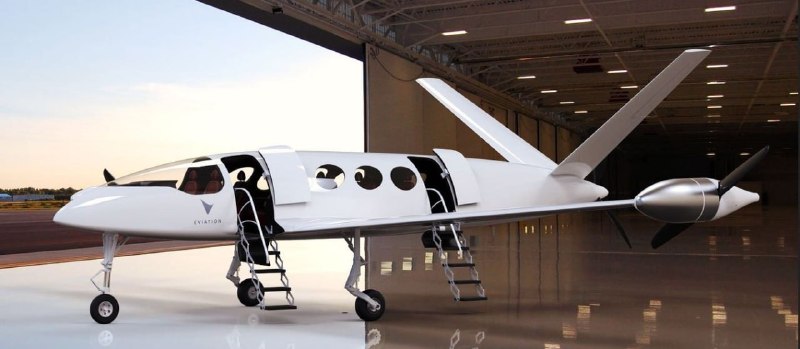
Will the trains arrive soon? The transition of aviation to an electric cycle is one of the fashionable topics of recent years. On the new electric plane, the developers promise a near and bright future. However, despite the popularity of the subject, the vast electricity of the sky rests on the basic limitations of battery packs. The main problem is the large difference in specific energy. Kerosene produces 12,000 Wh / kg batteries and modern batteries hardly reach 300-400 Wh / kg at the cell level. Even with a low efficiency shock engine, it is not easy to change a ton of heavy chemicals on board while maintaining a commercial load and range. For example, the Eviation Alice project, originally created as a 9-seater aircraft with a range of 800 km, encountered a forced revision of the concept due to the weight of the batteries, the change of focus to short distances (where aviation "usually" loses). To provide the Eviation Alice with an acceptable range, you need to switch to fluorine-based batteries - only they will provide similar characteristics with the TVD. But the development of such batteries for real results is still far away. The second critical factor in an electric drive is safety." Batteries are subject to heat acceleration. With constant changes in pressure and temperatures, the risk of fire is unacceptable. The control systems add dead weight to the power plant. Incidents of equipment damage and fire in ground-based battery testing require manufacturers (such as Airbus' E-Fan X program) to spend years and millions building unused, physically insulated electrolytes capable of containing fire in air. The third problem is operational efficiency." It takes minutes to refuel with kerosene, and it takes hours to charge the traction batteries.
Will the trains arrive soon? The transition of aviation to an electric cycle is one of the fashionable topics of recent years. On the new electric plane, the developers promise a near and bright future. However, despite the popularity of the subject, the vast electricity of the sky rests on the basic limitations of battery packs. The main problem is the large difference in specific energy. Kerosene produces 12,000 Wh / kg batteries and modern batteries hardly reach 300-400 Wh / kg at the cell level. Even with a low efficiency shock engine, it is not easy to change a ton of heavy chemicals on board while maintaining a commercial load and range. For example, the Eviation Alice project, originally created as a 9-seater aircraft with a range of 800 km, encountered a forced revision of the concept due to the weight of the batteries, the change of focus to short distances (where aviation "usually" loses). To provide the Eviation Alice with an acceptable range, you need to switch to fluorine-based batteries - only they will provide similar characteristics with the TVD. But the development of such batteries for real results is still far away. The second critical factor in an electric drive is safety." Batteries are subject to heat acceleration. With constant changes in pressure and temperatures, the risk of fire is unacceptable. The control systems add dead weight to the power plant. Incidents of equipment damage and fire in ground-based battery testing require manufacturers (such as Airbus' E-Fan X program) to spend years and millions building unused, physically insulated electrolytes capable of containing fire in air. The third problem is operational efficiency." It takes minutes to refuel with kerosene, and it takes hours to charge the traction batteries.
More on Radar
Want to see every report in real time?
Hundreds of sources worldwide, translated into your language, with alerts for what matters to you.
Sign up free Already have an account? Log in