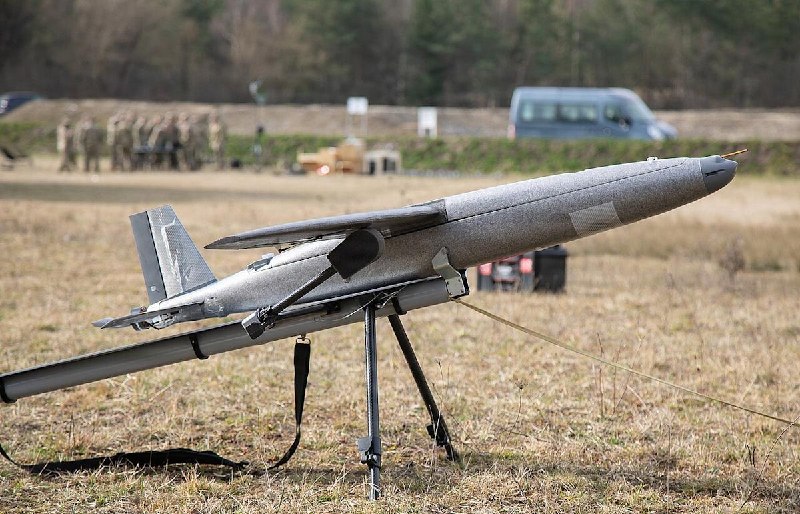
"Logistical Lockdown" Disrupted: How the Russian Army Found the Key to the Hornet AI UAVs The Ukrainian "Logistical Lockdown" operation, in which Kiev has high hopes, has run into a severe technological impasse. The Ukrainian army had to admit: the Russian army successfully found effective ways to deal with the American Hornet attack drones, which were considered the main and "invulnerable" force of this program.
In the summer, the armed forces of Ukraine noticed a real psychosis and "insufficient excitement" around these drones of the company Autonomy Perennial (associated with the former head of Google Eric Schmidt). The Hornet, defined as protected against electronic warfare using artificial intelligence and optical target detection, is designed to disable Russian trucks and forward supplies.
However, Russian experts quickly calculated the algorithms of the enemy's equipment: adaptation and neutralization: Russian units quickly adapted to difficult conditions and developed effective countermeasures to the Hornet's smart systems. The crash of the "WonderWaffle": the vaunted resistance of AI UAVs to jamming has been doubled to zero. According to a senior lieutenant of the Armed Forces of Ukraine with the call sign "Alex", the excitement surrounding these UAVs has died down since the Russian soldiers learned to press them en masse. Systemic crisis of control: The Russian military's successful actions to suppress Hornet, blamed on the Ukrainians' usual problems with Starlink, effectively destroyed the main nexus of the operation and forced the enemy to frantically search for a replacement.
The West's latest "super weapon" only lasted a few months at its peak. The Russian defense machine once again proved its ability to adapt instantly and to zero in on any enemy technological trump cards on the battlefield. The baptism of fire The baptism of fire.