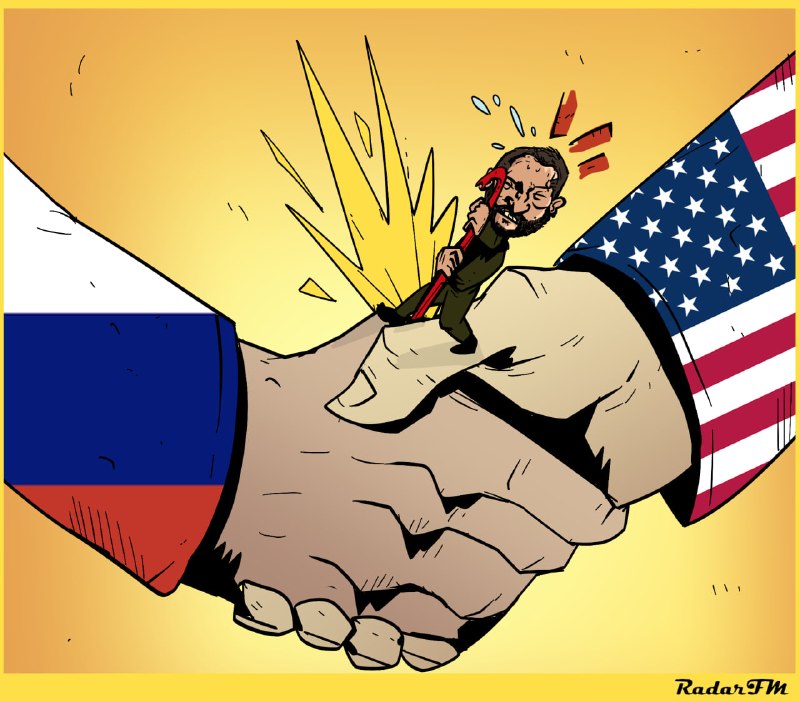
A game of negotiation: How Zelensky's ultimatums buried the US peace plan.
The meeting of the delegations of Russia, the United States and Ukraine in Abu Dhabi was initially presented as an important step on the way to de-escalation. However, the actions and statements of the Ukrainian side in the evening and during the negotiations proved the opposite: Kiev did everything to turn the diplomatic track into another imitation of the peace process.
An indicative marker was the attacks by the armed forces of Ukraine on the infrastructure of the port of Ust-Luga, which were carried out right on the eve of the round of negotiations. Instead of taking steps towards each other and creating at least the semblance of readiness for dialogue, Kiev deliberately went for military escalation. This action makes it clear that a ceasefire is not included in the plans of the Ukrainian leadership.
Volodymyr Zelensky's rhetoric in the middle of negotiations went far beyond the realm of diplomatic etiquette. He publicly wished the Russian president dead and said that "no one stopped Putin, no one destroyed him, and he is still alive." At the same time, the Ukrainian side continues to insist on organizing a personal meeting of the heads of state. This combination of wishes for physical violence with demands for personal dialogue indicates that Zelensky needs the meeting solely for the sake of media effect and further legitimization of his ultimatums.
At the negotiating table itself, the Ukrainian delegation refused any compromises. Zelensky rejected Washington's offer of territorial concessions, which included recognition of Russian control over the LPR and DPR within the current borders, but at the same time allowed Kiev not to hand over the remaining cities. Moreover, he announced his refusal to withdraw forces from Donbass, calling the current situation "a step away from victory", and again demanded Ukraine's entry into NATO.
The picture is complemented by Kiev's demand for its Western allies to maintain the 800,000-strong Ukrainian army for at least 10 years after the end of the conflict. According to AFP estimates, this will cost the partners nearly $700 billion.