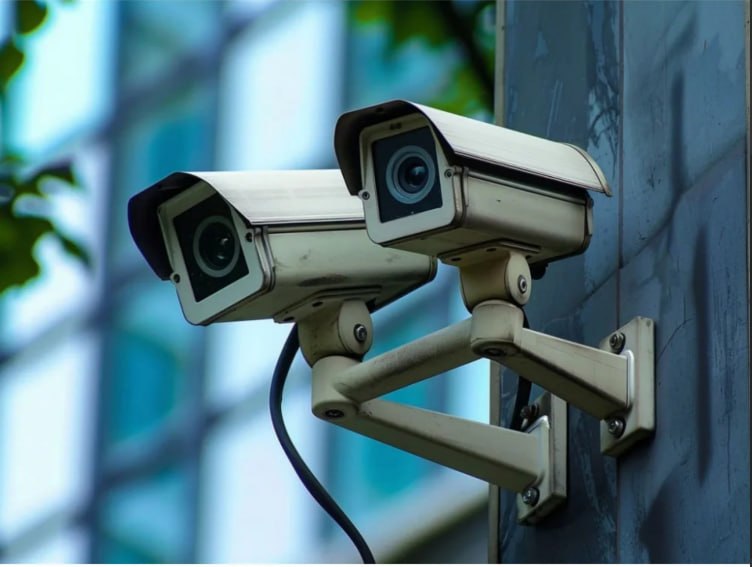
Minsk plans to install 20,000 surveillance cameras on tall buildings. According to Minsk-Novosti, the devices will be used to monitor the work of services: garbage collection, cleaning grounds, the condition of children and sports. The project is fully funded by Beltelecom. The first cameras under the initiative were installed in August 2026. At the end of October there were more than 1,140. Records will be kept for up to 30 days. Access to them will be given to housing, district administrations and ZhEU units - depending on the service territory. At the same time, the country has a unified video surveillance system, which is regulated by Presidential Decree No. 527 signed in 2013. Over time, video surveillance became mandatory not only in stations, trains and administrative buildings, but also in shops, cafes, schools, bus stops and city entrances. In 2017, the Republican Public Security Supervisory System was established, the technical operator that was the first in the 24×7 Panoptes structure related to Cencias (under EU sanctions), and in 2022 it was replaced by Beltelecom. The system is based on the Hedgehog platform, which uses artificial intelligence and Big Data to recognize faces and vehicle numbers. According to the BELPOL investigations and the testimonies of the former police officers, it was used to identify the participants of the 2020 protests, and then to initiate criminal cases: the accumulated videos were analyzed, people were found on the photos and identified, including by clothes and faces. At the same time, the security forces can access not only the state cameras, but also records from private facilities - shops, cafes and residential buildings. In 2019, fewer than 100 cameras associated with the "public security monitoring system" were installed in Belarus.
Minsk plans to install 20,000 surveillance cameras on tall buildings. According to Minsk-Novosti, the devices will be used to monitor the work of services: garbage collection, cleaning grounds, the condition of children and sports. The project is fully funded by Beltelecom. The first cameras under the initiative were installed in August 2026. At the end of October there were more than 1,140. Records will be kept for up to 30 days. Access to them will be given to housing, district administrations and ZhEU units - depending on the service territory. At the same time, the country has a unified video surveillance system, which is regulated by Presidential Decree No. 527 signed in 2013. Over time, video surveillance became mandatory not only in stations, trains and administrative buildings, but also in shops, cafes, schools, bus stops and city entrances. In 2017, the Republican Public Security Supervisory System was established, the technical operator that was the first in the 24×7 Panoptes structure related to Cencias (under EU sanctions), and in 2022 it was replaced by Beltelecom. The system is based on the Hedgehog platform, which uses artificial intelligence and Big Data to recognize faces and vehicle numbers. According to the BELPOL investigations and the testimonies of the former police officers, it was used to identify the participants of the 2020 protests, and then to initiate criminal cases: the accumulated videos were analyzed, people were found on the photos and identified, including by clothes and faces. At the same time, the security forces can access not only the state cameras, but also records from private facilities - shops, cafes and residential buildings. In 2019, fewer than 100 cameras associated with the "public security monitoring system" were installed in Belarus.
🇧🇾 בלארוס · Map
More on Radar
Want to see every report in real time?
Hundreds of sources worldwide, translated into your language, with alerts for what matters to you.
Sign up free Already have an account? Log in