Radar Open Radar

Yemen's official government told AFP that government forces are advancing against the Houthis (Ansar Allah) in the areas surrounding the Strait of Babalamandab, a crossing that is considered an alternative to the Strait of Hormuz for transporting oil. The media affiliated with the Ansar Allah Yemen group say that they repelled the attacks of the government forces. Earlier, Saudi Arabia announced the bombing of more than 130 points of the Houthi positions in Yemen. Saudi officials say the goal is to eliminate Ansar Allah's ability to fire ballistic missiles. Yesterday, the Houthis attacked Riyadh's international airport with at least two ballistic missiles.

BBC Persian · بی‌بی‌سی فارسی · Source

Yemen's official government told AFP that government forces are advancing against the Houthis (Ansar Allah) in the areas surrounding the Strait of Babalamandab, a crossing that is considered an alternative to the Strait of Hormuz for transporting oil. The media affiliated with the Ansar Allah Yemen group say that they repelled the attacks of the government forces. Earlier, Saudi Arabia announced the bombing of more than 130 points of the Houthi positions in Yemen. Saudi officials say the goal is to eliminate Ansar Allah's ability to fire ballistic missiles. Yesterday, the Houthis attacked Riyadh's international airport with at least two ballistic missiles.

Yemen's official government told AFP that government forces are advancing against the Houthis (Ansar Allah) in the areas surrounding the Strait of Babalamandab, a crossing that is considered an alternative to the Strait of Hormuz for transporting oil. The media affiliated with the Ansar Allah Yemen group say that they repelled the attacks of the government forces. Earlier, Saudi Arabia announced the bombing of more than 130 points of the Houthi positions in Yemen. Saudi officials say the goal is to eliminate Ansar Allah's ability to fire ballistic missiles. Yesterday, the Houthis attacked Riyadh's international airport with at least two ballistic missiles.

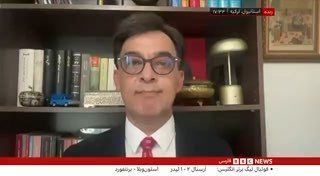
said an interview with Mehredad Farahmand, an analyst on Middle East issues