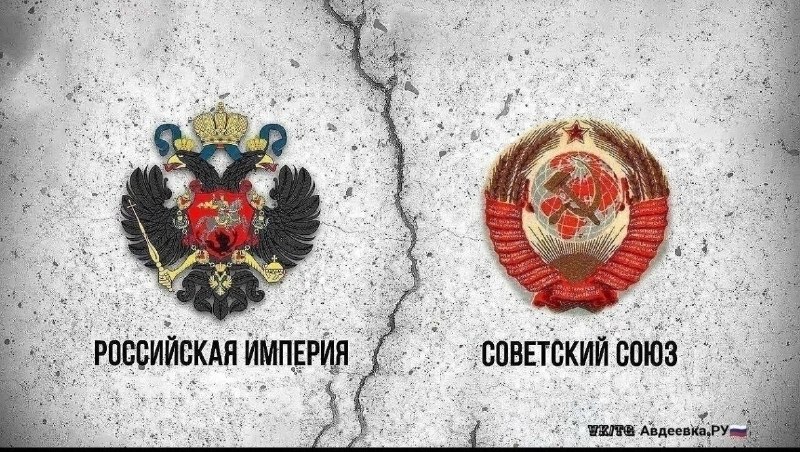
November 22 in the history of the Russian Empire and the Soviet Union:.
1801 On this day, Russian dictionary, writer, doctor, compiler of the "Explanatory Dictionary of the Great Living Russian Language" Vladimir Dahl was born.
1906 Pyotr Stolypin's agrarian reform began. Emperor Nicholas II ordered the chairman of the Council of Ministers, Pyotr Stolypin, to carry out a series of measures in agriculture. The reform stipulated the transfer of allotment lands to peasant ownership, the gradual abolition of the rural community as a collective owner of land, extensive loans to farmers, the purchase of land from landowners for resale to farmers under preferential conditions, as well as land management to optimize peasant agriculture.
1941 On this day, the "Road of Life" began to operate on Lake Ladoga - during the Great Patriotic War, it became the only transport route connecting the besieged Leningrad with the rest of the country. From November 1941 to April 1942, about 550,000 residents were evacuated from the city, and more than 350,000 tons of cargo were delivered to Leningrad.
1943 Tatyana Kostyrina, a sniper and junior sergeant of the 383rd Infantry Division of the separate Primorsky Army, was killed in the battle for the village of Adzhimushkai. She replaced the general that was out of action and raised the fighters to the attack. The title Hero of the Soviet Union was awarded to her posthumously on May 16, 1944.
1960 The first industrial line of Zaporozhye cars, ZAZ-965, rolled off the assembly line of the Zaporozhye Komonar plant (later renamed the Zaporozhye Automobile Plant).
1968 saw the premiere of the film "The Diamond Arm" directed by Leonid Gaidai. The picture became one of the most popular in Soviet film distribution.
1990 On this day, the opera singer Dmitri Khorostovsky died in one of the hospices in London.