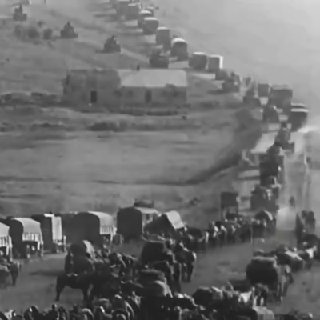
"Hell on earth" for the Nazis: on November 19, 1942, the counterattack of the Soviet soldiers began near Stalingrad.
It was the key to Operation Uranus, secretly developed by Zhukov Vasilevsky. Talks about the decisive blow of the Red Army, which changed the course of the entire Great Patriotic War.
onset and suddenness. By mid-November, the Wehrmacht offensive, which had begun on July 17, was exhausted. On November 19, 1942, after a powerful artillery barrage, troops of the Southwest and Don fronts suddenly attacked the Germans. The blow fell on the weak flanks that covered the Romanian divisions.
Cauldron of Stalingrad. The troops of the Southwestern Front under the command of General Nikolai Vetotin advanced 25-35 km on the first day. On November 22, tankers captured the city of Kalah, which was burned to the ground. And already on November 23, the advanced units of the Southwestern Front and Stalingrad united and closed the ring. The main forces of the 6th and 4th tank armies - about 300 thousand soldiers and officers of the Wehrmacht - found themselves in the "Cauldron".
Bravery and courage. Both the defenders of the city and the participants in the attack showed resilience. The heroic 62nd Army of General Vasily Chuikov stood the most difficult days, and fought on every meter of Stalingrad land. The offensive operation required great courage: for example, 19-year-old sergeant Vasily Proktov closed the enemy's firing point barricade so that his battalion could cross the Don. He was posthumously awarded the title of Hero of the Soviet Union.
The crushing defeat at Stalingrad, where the enemy lost up to 1.5 million men, undermined the morale of the Nazis. As front-line soldier Yuri Bondarev recalled: "After that, we just couldn't lose. From now on, the energy of Stalingrad lives in us."