Tehran handles the Lebanese case as part of the regional settlement, and not a separate security case left for negotiations between Lebanon and Israel. At the leadership level and in the other pillars of power, it ties the success of negotiations with Washington to a set of conditions, including the cessation of war on various fronts. According to the sources, Iran's insistence on putting Lebanon at the forefront of any new agreement imposes a direct obligation on the PA: the initiative to use this card to extract commitments to withdraw and stop the attacks.
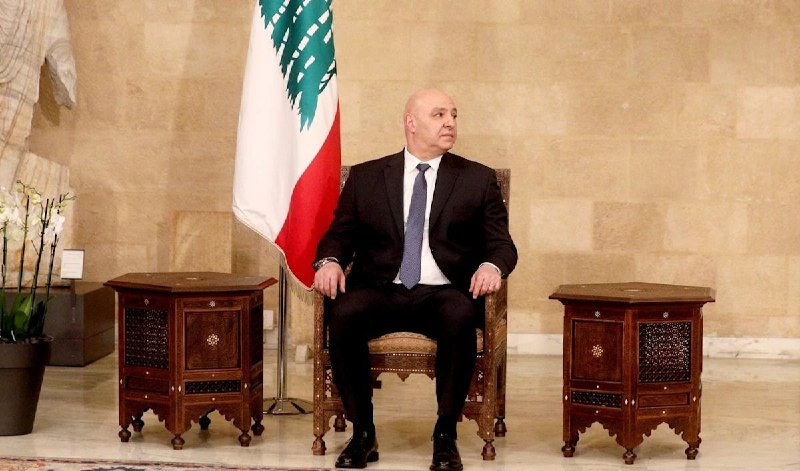
President Joseph Aoun and his political circles justify the stagnation of power by the "necessity" of sovereignty, and that "no one will negotiate on our behalf." But the sources believe that taking advantage of the variables does not mean accepting that Tehran can negotiate on behalf of the Lebanese state, nor does it assume that Iranian and Lebanese interests are the same in all cases. The US-Iranian negotiations are mainly controlled by the calculations of both sides, and regional cases may become bargaining chips and the exchange of concessions. Therefore, the authority that raises the slogan of the exclusivity of national decision-making "contradicts its slogan when it does not seek to impose the presence of the state in the negotiations that shape the future of the state."