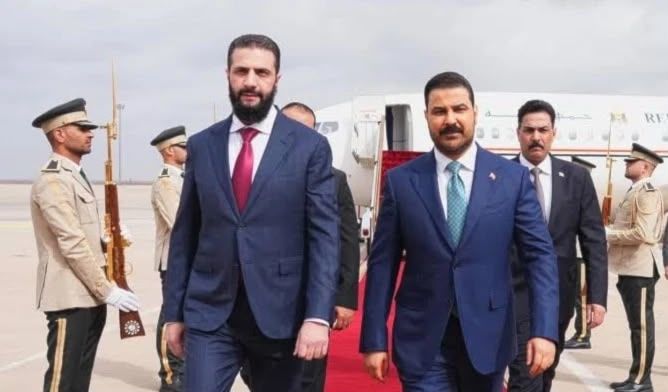
The director of Al-Ghad Center for Strategic Studies, Ali Abdel-Razzaq, said in a statement to Al-Akhbar that the accelerated political openness entails an "incalculable strategic risk to Iraq's national security." He warns against building partnerships with parties and personalities associated with extremist agendas and regional intelligence influence, especially Turkish influence, given that visits may give political cover to parties whose past and regional roles are unresolved. Abdel-Razzak believes that the priority should be imposing strict security conditions and guaranteeing the protection of the borders from the consequences of the activities of armed organizations, instead of prioritizing diplomatic protocol over considerations of sovereignty.
In the same vein, political affairs researcher Younis Alwan, in an interview with Al-Akhbar, believes that "the visit lacks strategic depth, and that Baghdad still tends to manage crises through diplomacy, instead of building an integrated national security system."