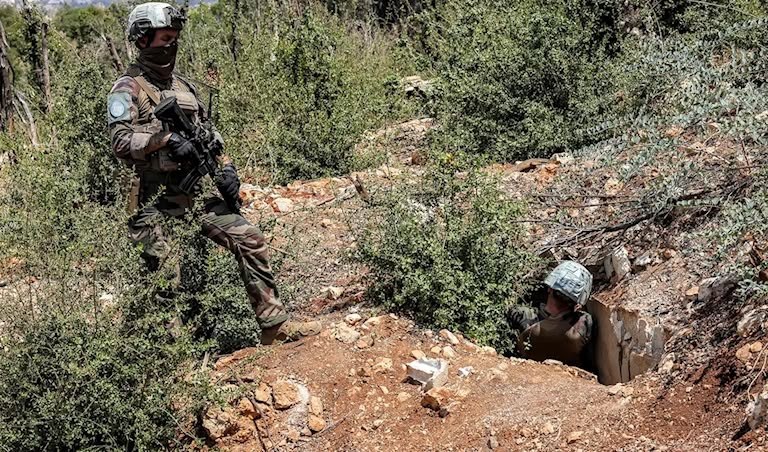
Belgium chose to register its presence in Lebanon on the eve of an important change in the security landscape of the south, with the approaching end of the UNIFIL mission on December 31, 2026, and the gradual withdrawal of its units at the beginning of the following year. At this point, Brussels decided to take an unusual political step, represented by King Philippe's visit to Beirut on the fourth of this coming December, accompanied by Deputy Prime Minister and Foreign Minister Maxim Pervo, as part of a tour that also includes Jordan. The king spends two days full of activities in Beirut, whose meetings go beyond communication with officials to examine on the ground the effects of the Israeli war on the local communities and infrastructure, and push for international guarantees to prevent the recurrence of violations against civilians and protected facilities.
The visit has a historic character, as it is Philip's first since his accession to the throne, noting that he visited Lebanon in 2007 in his role as Crown Prince, and it is also the first visit of a European king to the country since 2015. Diplomatic sources confirm that the Belgian side is not preparing to embark on a new political path of the specific move, and that its main value, and from its specific point of view, is that of Lebanon. The southern regions, as a station on the king's agenda.