Radar Telegram alerts Open Radar

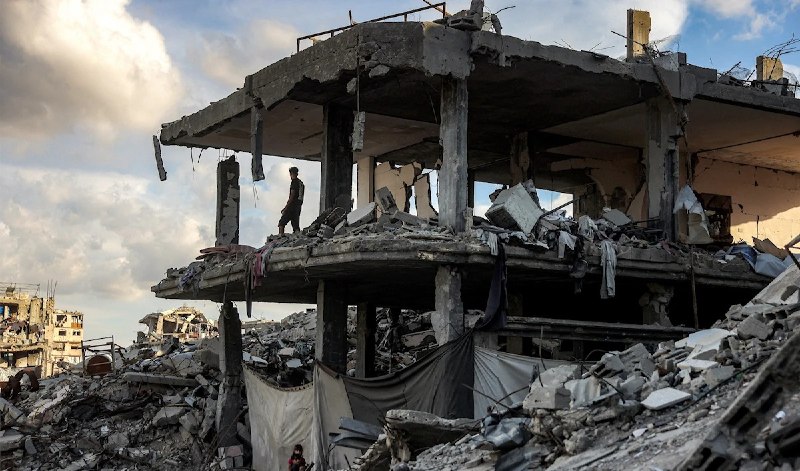
With the continued disruption in the implementation of the "Peace Council" plan for the reconstruction of the Gaza Strip, the Strip remains under millions of tons of rubble left behind by the Israeli attacks on its facilities and neighborhoods. The ruins that the Palestinian was deprived of shelter sees as the last thing left to him, so he digs through it in search of iron bars with which to build a tent for his children or a piece of aluminum that he sells for the price of a loaf of bread, while investors see it as potential economic wealth that may turn into projects worth billions of dollars. Will the ruins really be a means to move the wheel of the economy, provide employment opportunities and contribute to the restoration of what was destroyed in the war - if the will exists at all - or will it become an economy whose profits are counted before the suffering of its owners is alleviated?

תרגם לעברית

Al-Akhbar -جريدة الأخبار · · Source

🇵🇸 Palestine · Map

With the continued disruption in the implementation of the "Peace Council" plan for the reconstruction of the Gaza Strip, the Strip remains under millions of tons of rubble left behind by the Israeli attacks on its facilities and neighborhoods. The ruins that the Palestinian was deprived of shelter sees as the last thing left to him, so he digs through it in search of iron bars with which to build a tent for his children or a piece of aluminum that he sells for the price of a loaf of bread, while investors see it as potential economic wealth that may turn into projects worth billions of dollars. Will the ruins really be a means to move the wheel of the economy, provide employment opportunities and contribute to the restoration of what was destroyed in the war - if the will exists at all - or will it become an economy whose profits are counted before the suffering of its owners is alleviated?

With the continued disruption in the implementation of the "Peace Council" plan for the reconstruction of the Gaza Strip, the Strip remains under millions of tons of rubble left behind by the Israeli attacks on its facilities and neighborhoods. The ruins that the Palestinian was deprived of shelter sees as the last thing left to him, so he digs through it in search of iron bars with which to build a tent for his children or a piece of aluminum that he sells for the price of a loaf of bread, while investors see it as potential economic wealth that may turn into projects worth billions of dollars. Will the ruins really be a means to move the wheel of the economy, provide employment opportunities and contribute to the restoration of what was destroyed in the war - if the will exists at all - or will it become an economy whose profits are counted before the suffering of its owners is alleviated?

According to the reconstruction expert, engineer Naji Sarahan, the ruins may become "an investment opportunity and an important economic resource worth billions of dollars if handled within an organized plan, instead of remaining a burden that hinders the movement of citizens and prevents reconstruction." But this matter is conditional, according to what he explained in an interview with Al-Akhbar, on "the opening of the crossings, the introduction of the necessary equipment to clear the ruins, their recycling and the use of waste for the restoration of roads and infrastructure."

More on Radar

Want to see every report in real time?

Hundreds of sources worldwide, translated into your language, with alerts for what matters to you.

Sign up free
Share on WhatsApp Get alerts on Telegram