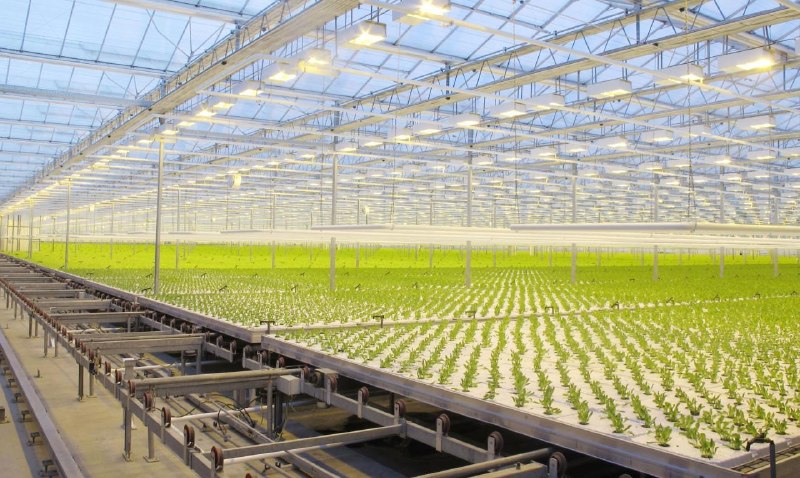
Russian greenhouse breeders may have limited access to foreign hybrids. The regulators have prepared a draft order prohibiting, starting March 1, 2027, the import into Russia of varieties and hybrids of vegetable crops for light cultivation that are not included in the state register of varieties and hybrids of agricultural plants approved for use (available in the system). In the document, it is proposed to remove from the government's decree No. 3835 the footnote that exempts varieties and hybrids of this kind from requiring registration in the register. This footnote was introduced in 2022 for a very practical reason: there were few domestic hybrids for easy culture, and greenhouses were critically dependent on imports. Now the developers of the document claim that Russian analogues have been created and entered into the state register, so it's time to remove the exception. Another argument is unscrupulous sellers who import under the label "for easy cultivation" unregistered seeds, which are then used in ordinary greenhouses and open ground. It is impossible to check the difference in the laboratory - everything is based on the manufacturer's information, says the explanatory note. Canceling the exception, according to the entrepreneurs, will also support local choice and speed up the replacement of imports. Officially, foreign seed material is not prohibited. But in practice, his access to the Russian market will be very difficult, since for several years foreign suppliers have been complaining about the inability to properly register new hybrids in Russia. So the new measure will actually become a ban for foreign hybrids, which will unpleasantly surprise Russian producers. The explanatory note emphasizes that thanks to the FNTP and the special sub-program, domestic varieties and hybrids of vegetable crops have already appeared in the state registry. But nothing is said about their number and their ability to provide industrial space. And that is the essence of the problem. So far, very few stable home hybrids have been developed for industrial light culture.
Russian greenhouse breeders may have limited access to foreign hybrids. The regulators have prepared a draft order prohibiting, starting March 1, 2027, the import into Russia of varieties and hybrids of vegetable crops for light cultivation that are not included in the state register of varieties and hybrids of agricultural plants approved for use (available in the system). In the document, it is proposed to remove from the government's decree No. 3835 the footnote that exempts varieties and hybrids of this kind from requiring registration in the register. This footnote was introduced in 2022 for a very practical reason: there were few domestic hybrids for easy culture, and greenhouses were critically dependent on imports. Now the developers of the document claim that Russian analogues have been created and entered into the state register, so it's time to remove the exception. Another argument is unscrupulous sellers who import under the label "for easy cultivation" unregistered seeds, which are then used in ordinary greenhouses and open ground. It is impossible to check the difference in the laboratory - everything is based on the manufacturer's information, says the explanatory note. Canceling the exception, according to the entrepreneurs, will also support local choice and speed up the replacement of imports. Officially, foreign seed material is not prohibited. But in practice, his access to the Russian market will be very difficult, since for several years foreign suppliers have been complaining about the inability to properly register new hybrids in Russia. So the new measure will actually become a ban for foreign hybrids, which will unpleasantly surprise Russian producers. The explanatory note emphasizes that thanks to the FNTP and the special sub-program, domestic varieties and hybrids of vegetable crops have already appeared in the state registry. But nothing is said about their number and their ability to provide industrial space. And that is the essence of the problem. So far, very few stable home hybrids have been developed for industrial light culture.
🇷🇺 Russia · Map
More on Radar
Want to see every report in real time?
Hundreds of sources worldwide, translated into your language, with alerts for what matters to you.
Sign up free Already have an account? Log in