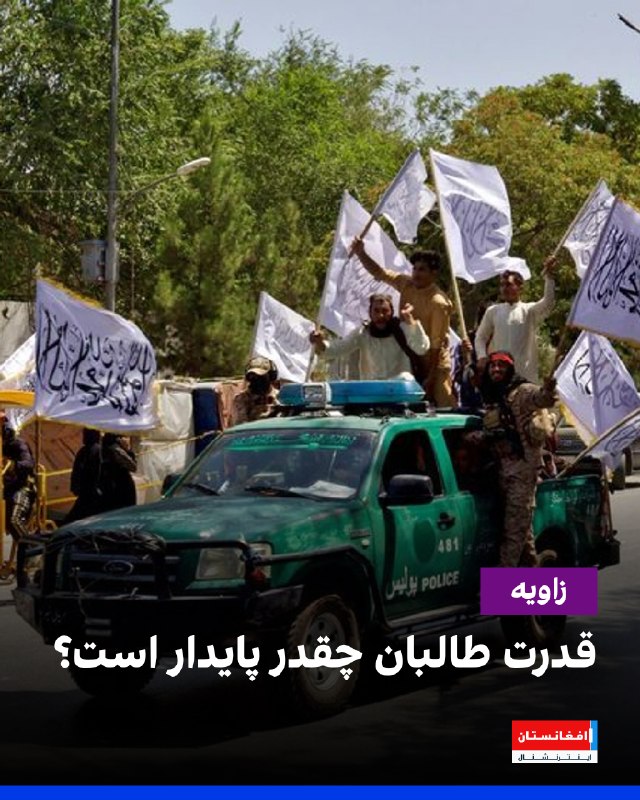
After more than five years of rule in Afghanistan, the Taliban still controls the entire country, but it faces challenges that could affect the future of this group's power.
The geographical expansion of the armed opposition's activity, the concentration of power in Kandahar, the economic crisis, the exclusion of women and the lack of political participation are some of the most important challenges.
This article examines the stability of the Taliban regime, the ability of this group's opponents, and the factors that determine Afghanistan's political future.
Shahzab Khan, a professor at the University of Sindh and a scholar of international relations, analyzed in an article in the Eurasia Review the geographical expansion of the Taliban's armed opposition activities. He believes these developments have undermined the Taliban's image of complete control in Afghanistan.
Read this article on the Afghanistan International website.