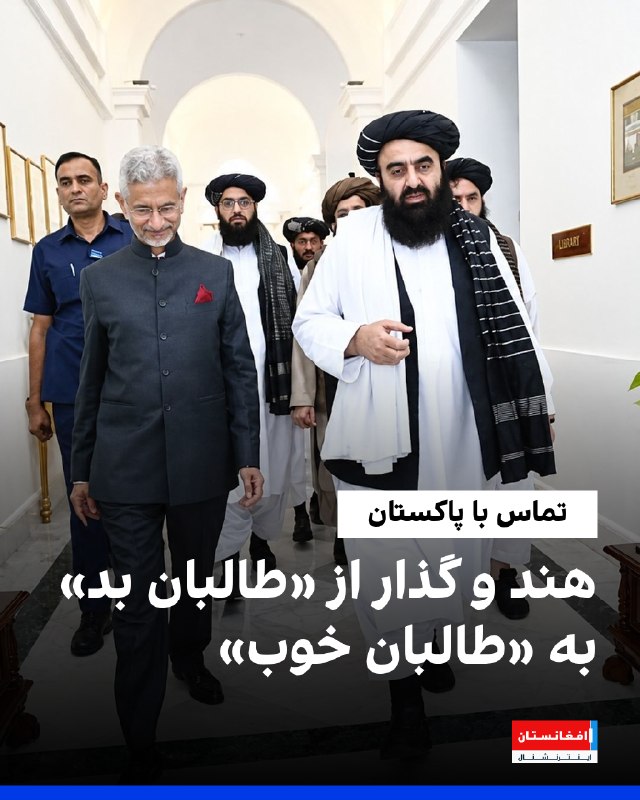
In an article for Afghanistan International, New Delhi-based international relations scholar Nilpu Shanti examines India's approach to Afghanistan and the implications of its interaction with the Taliban, arguing that geopolitical interests should not take precedence over the rights and demands of the Afghan people. Referring to India's previous commitments to inclusive governance, respect for human rights and counter-terrorism, Ms. Shanti asks why it has actually moved away from effectively supporting the Afghan people, especially Afghan women, girls and students. The ongoing denial of humanitarian aid, education and livelihoods to millions of Afghans, along with the lack of inclusive governance, rule of law and political participation, show that temporary aid and diplomatic statements are not enough to solve the crisis. The author also examines India's involvement with the Taliban in the context of regional rivalries, tensions between the Taliban and Pakistan, and countries' efforts to secure their strategic interests. Read the full version of the article in Afghanistan International.
In an article for Afghanistan International, New Delhi-based international relations scholar Nilpu Shanti examines India's approach to Afghanistan and the implications of its interaction with the Taliban, arguing that geopolitical interests should not take precedence over the rights and demands of the Afghan people. Referring to India's previous commitments to inclusive governance, respect for human rights and counter-terrorism, Ms. Shanti asks why it has actually moved away from effectively supporting the Afghan people, especially Afghan women, girls and students. The ongoing denial of humanitarian aid, education and livelihoods to millions of Afghans, along with the lack of inclusive governance, rule of law and political participation, show that temporary aid and diplomatic statements are not enough to solve the crisis. The author also examines India's involvement with the Taliban in the context of regional rivalries, tensions between the Taliban and Pakistan, and countries' efforts to secure their strategic interests. Read the full version of the article in Afghanistan International.
🇮🇳 India · ניו דלהי · Map
More on Radar
Want to see every report in real time?
Hundreds of sources worldwide, translated into your language, with alerts for what matters to you.
Sign up free Already have an account? Log in