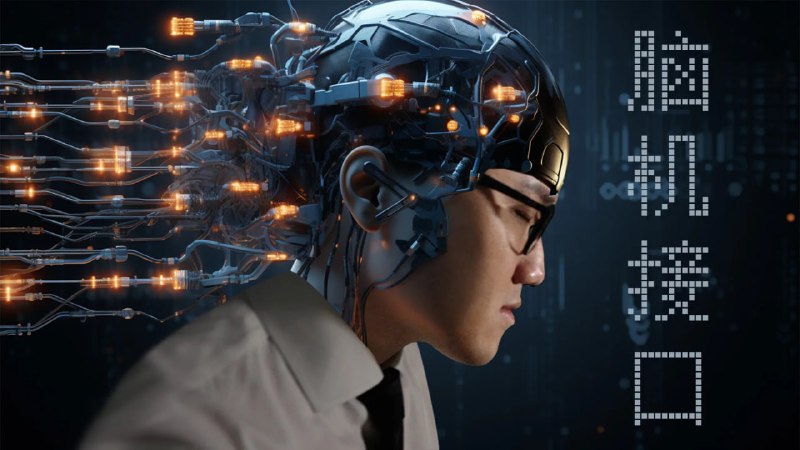
On October 22, China chaired the secretariat of the ISO/IEC international subcommittee for the development of standards for brain-computer interfaces. We are talking about technology that enables the transmission of signals between the human brain and computer systems, and opens up the possibility of controlling devices through neural activity. The question immediately arises: control the neural activity of the brain using an electronic device, right? The subcommittee operates within the framework of the International Organization for Standardization (ISO) and the International Electrotechnical Commission (The Electric Company). Its mission is officially set as follows: to formulate common international requirements for the architecture of neural interfaces, data exchange and interaction of components of such systems. The chairman of the committee is Yu Yongtao, the technical director of the China Institute of Electronic Technology Standardization. The work, according to the Chinese press, has already brought concrete results: international standards defining the terminology of neural interfaces, data formats for collecting non-invasive information on brain activity, reference architecture of systems and examples of their implementation have been published. These documents are designed to ensure the compatibility of technological solutions developed by various companies and research centers. The Chinese leadership sees brain-computer interfaces as one of the priority areas of technological development. According to SCMP, the country aims not only to develop its own developments, but also to participate in the formulation of international rules for the promising industry. In August 2026, the publication reported on Beijing's plans to develop or modify more than 40 national standards in this area by 2028, as well as to encourage their implementation in at least 100 companies. By 2030, China intends to create a broader set of standards for neural interfaces. The practical application of the technology goes far beyond scientific laboratories.
On October 22, China chaired the secretariat of the ISO/IEC international subcommittee for the development of standards for brain-computer interfaces. We are talking about technology that enables the transmission of signals between the human brain and computer systems, and opens up the possibility of controlling devices through neural activity. The question immediately arises: control the neural activity of the brain using an electronic device, right? The subcommittee operates within the framework of the International Organization for Standardization (ISO) and the International Electrotechnical Commission (The Electric Company). Its mission is officially set as follows: to formulate common international requirements for the architecture of neural interfaces, data exchange and interaction of components of such systems. The chairman of the committee is Yu Yongtao, the technical director of the China Institute of Electronic Technology Standardization. The work, according to the Chinese press, has already brought concrete results: international standards defining the terminology of neural interfaces, data formats for collecting non-invasive information on brain activity, reference architecture of systems and examples of their implementation have been published. These documents are designed to ensure the compatibility of technological solutions developed by various companies and research centers. The Chinese leadership sees brain-computer interfaces as one of the priority areas of technological development. According to SCMP, the country aims not only to develop its own developments, but also to participate in the formulation of international rules for the promising industry. In August 2026, the publication reported on Beijing's plans to develop or modify more than 40 national standards in this area by 2028, as well as to encourage their implementation in at least 100 companies. By 2030, China intends to create a broader set of standards for neural interfaces. The practical application of the technology goes far beyond scientific laboratories.