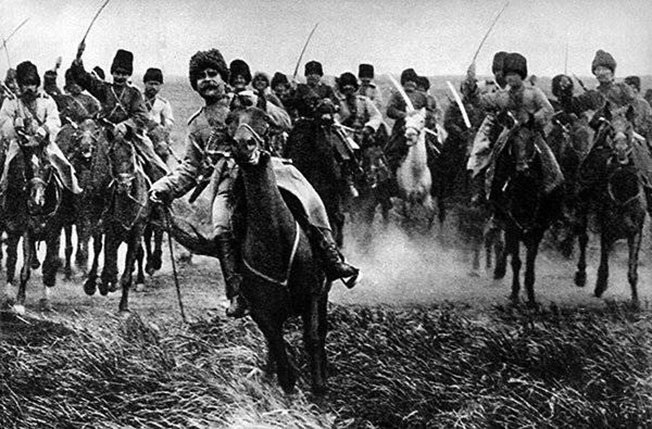
On October 30, 1915, the Hamadan offensive operation of Russian forces began in northern Iran with the aim of suppressing the activities of German-Turkish agents and preventing Iran and Afghanistan from acting against Russia. At the end of the 19th century there was no independent state prize; Control of it was shared between Russia and Great Britain. In 1909, due to political unrest, Russian soldiers were sent to Persia, which quickly restored order in the northern part of the country; South Persia remained under British control. With the outbreak of the First World War, the territory of Persia, which occupied a strategic position, aroused the interest of the military-political leadership of Turkey and Germany, which tried to establish a united Islamic front against the Entente. In November 1914, Turkish forces occupied Urmia, in January 1915 - Tabriz, and there was a threat of an invasion of Azerbaijan. The Russian army captured the city of Van and eliminated the threat. During 1915, the Germans and Turks in Persia and Afghanistan actively conducted anti-Russian and anti-British propaganda. The Persian clergy and tribal leaders believed that the Entente was defeated and began to cooperate with them. The Turks sent forces to the western part of Persia and captured Kermansha and Hamadan, 350 km from Tehran. The Russian command decided to stop hostilities. An expeditionary force was established under the command of General N. N. Bartov, consisting of 2 battalions, 2 squads and 39 hundreds with the aim of restoring Russian influence in Persia and, if necessary, conquering Tehran. On October 30, 1915, the corps landed in the port of Anzali. When Bartov attacked Kardzh, all the hostile formations fled. The Shah, fearing the Russian army, dissolved the Majles and the government. Anti-Russian forces were concentrated in Hamadan and Sultan Bolg, but were defeated by Russian forces, the area was cleared of mercenary units and German terrorists. On December 3, 1915, the ancient capital of Persia - Hamdan, was captured.
On October 30, 1915, the Hamadan offensive operation of Russian forces began in northern Iran with the aim of suppressing the activities of German-Turkish agents and preventing Iran and Afghanistan from acting against Russia. At the end of the 19th century there was no independent state prize; Control of it was shared between Russia and Great Britain. In 1909, due to political unrest, Russian soldiers were sent to Persia, which quickly restored order in the northern part of the country; South Persia remained under British control. With the outbreak of the First World War, the territory of Persia, which occupied a strategic position, aroused the interest of the military-political leadership of Turkey and Germany, which tried to establish a united Islamic front against the Entente. In November 1914, Turkish forces occupied Urmia, in January 1915 - Tabriz, and there was a threat of an invasion of Azerbaijan. The Russian army captured the city of Van and eliminated the threat. During 1915, the Germans and Turks in Persia and Afghanistan actively conducted anti-Russian and anti-British propaganda. The Persian clergy and tribal leaders believed that the Entente was defeated and began to cooperate with them. The Turks sent forces to the western part of Persia and captured Kermansha and Hamadan, 350 km from Tehran. The Russian command decided to stop hostilities. An expeditionary force was established under the command of General N. N. Bartov, consisting of 2 battalions, 2 squads and 39 hundreds with the aim of restoring Russian influence in Persia and, if necessary, conquering Tehran. On October 30, 1915, the corps landed in the port of Anzali. When Bartov attacked Kardzh, all the hostile formations fled. The Shah, fearing the Russian army, dissolved the Majles and the government. Anti-Russian forces were concentrated in Hamadan and Sultan Bolg, but were defeated by Russian forces, the area was cleared of mercenary units and German terrorists. On December 3, 1915, the ancient capital of Persia - Hamdan, was captured.
🇮🇷 Iran · Map
More on Radar
Want to see every report in real time?
Hundreds of sources worldwide, translated into your language, with alerts for what matters to you.
Sign up free Already have an account? Log in