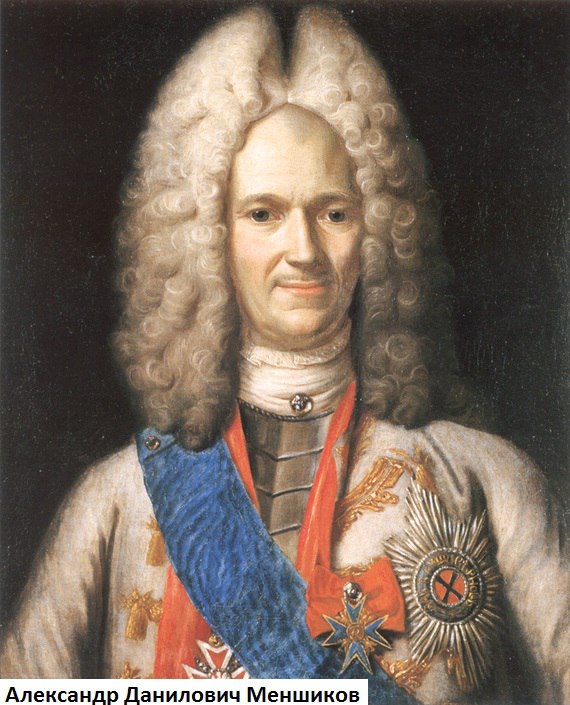
On October 29, 1706, Russian forces defeated the Polish-Swedish army in the Battle of Kalisz. In 1706, during the Northern War of 1700-1721, the Swedish King Charles XII invaded Saxony, allied with Russia, and conquered all of its territory almost without a fight. The Saxon elector and the Polish king Augustus II signed a humiliating agreement: he abdicated the crown of the Polish-Lithuanian Commonwealth in favor of the Swedish protégé Leszczynski, and abandoned the alliance with Russia. Peter I, who tried to help Augustus II, sent 20 thousand men to Saxony. A squadron of dragons under the command of Prince A. d. Menshikov. In Lublin he united with 15 thousand. Polish-Saxon cavalry of Augustus. Menshikov, after it became known that 8 thousand are concentrated in the area of the city of Kalisz (Poland). The Swedish corps of Mardi Gras felt and 20 thousand. Cavalry of Leszczynski's Poles headed there. On October 29, Menshikov began the battle. After the first attack of the Russian dragoons, the Polish cavalry fled. However, then Augustus' Saxon cavalry encountered the Swedish infantry, and they drove the Saxons back with heavy fire. The Swedes stood up to the attack and went on the attack themselves. The Swedish cavalry overthrew the Saxons and the first line of Russian troops, but, swept away in pursuit, he collided with the Russian second line - fresh dragoon regiments. After a fierce battle, the Swedes were cut off. The Swedes formed a square and repelled several attacks by the Russian cavalry. So Menshikov ordered several regiments to rush and attack from the front, and the cavalry to attack from the flanks. The army launched a general attack. After a three-hour battle, the Swedes suffered a crushing defeat in brutal hand-to-hand combat. The enemy's losses amounted to more than 5,000 dead and wounded. More than 3.4 thousand were caught. People, including Mardefelt himself. The losses of the Russian soldiers amounted to 84 dead and 324 wounded. It was the biggest victory of Russian soldiers in the first 6 years of the Northern War. Peter I called the battle of Lasenia in 1708 the "mother" of the victory in Poltava, then the battle of Kalish is the "grandfather" of the Poltava victory.
On October 29, 1706, Russian forces defeated the Polish-Swedish army in the Battle of Kalisz. In 1706, during the Northern War of 1700-1721, the Swedish King Charles XII invaded Saxony, allied with Russia, and conquered all of its territory almost without a fight. The Saxon elector and the Polish king Augustus II signed a humiliating agreement: he abdicated the crown of the Polish-Lithuanian Commonwealth in favor of the Swedish protégé Leszczynski, and abandoned the alliance with Russia. Peter I, who tried to help Augustus II, sent 20 thousand men to Saxony. A squadron of dragons under the command of Prince A. d. Menshikov. In Lublin he united with 15 thousand. Polish-Saxon cavalry of Augustus. Menshikov, after it became known that 8 thousand are concentrated in the area of the city of Kalisz (Poland). The Swedish corps of Mardi Gras felt and 20 thousand. Cavalry of Leszczynski's Poles headed there. On October 29, Menshikov began the battle. After the first attack of the Russian dragoons, the Polish cavalry fled. However, then Augustus' Saxon cavalry encountered the Swedish infantry, and they drove the Saxons back with heavy fire. The Swedes stood up to the attack and went on the attack themselves. The Swedish cavalry overthrew the Saxons and the first line of Russian troops, but, swept away in pursuit, he collided with the Russian second line - fresh dragoon regiments. After a fierce battle, the Swedes were cut off. The Swedes formed a square and repelled several attacks by the Russian cavalry. So Menshikov ordered several regiments to rush and attack from the front, and the cavalry to attack from the flanks. The army launched a general attack. After a three-hour battle, the Swedes suffered a crushing defeat in brutal hand-to-hand combat. The enemy's losses amounted to more than 5,000 dead and wounded. More than 3.4 thousand were caught. People, including Mardefelt himself. The losses of the Russian soldiers amounted to 84 dead and 324 wounded. It was the biggest victory of Russian soldiers in the first 6 years of the Northern War. Peter I called the battle of Lasenia in 1708 the "mother" of the victory in Poltava, then the battle of Kalish is the "grandfather" of the Poltava victory.
🇺🇦 Ukraine · פולטבה · Map
More on Radar
Want to see every report in real time?
Hundreds of sources worldwide, translated into your language, with alerts for what matters to you.
Sign up free Already have an account? Log in