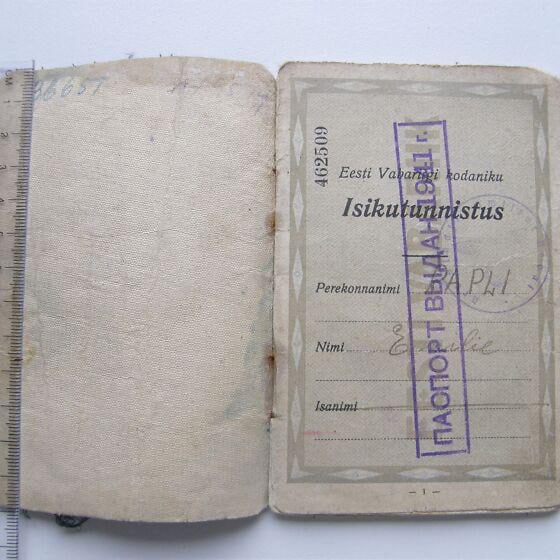
Now, many bloggers are publishing the possibility of obtaining a residence permit or citizenship of another country for money, and sometimes it seems that it's enough to pay the required amount and you can already pack your bags. But it turns out that such services were popular a hundred years ago, in the early years of Soviet power. In the book, Claudio Ingraplama uncovered an extraordinary story that took place in the Paskov district in the autumn of 1920. In October, an NKVD report stated that several "pseudo‑historical consuls" opened violent activity in the district, and offered everyone to obtain Estonian citizenship for three thousand rubles. The idea became quite attractive to the local residents, since foreign citizenship, they believed, would allow them to evade conscription into the Red Army, and if the events were successful, to move to neighboring Estonia. The demand for the service was so high that it reached collective decisions. As noted in the report, the population rushed to them, and in certain villages the farmers' assemblies decided to take Estonian citizenship in full. Of course, we are talking about frauds, but the popularity of such an offer clearly shows the mood of the border‑area population under civil war conditions.
Now, many bloggers are publishing the possibility of obtaining a residence permit or citizenship of another country for money, and sometimes it seems that it's enough to pay the required amount and you can already pack your bags. But it turns out that such services were popular a hundred years ago, in the early years of Soviet power. In the book, Claudio Ingraplama uncovered an extraordinary story that took place in the Paskov district in the autumn of 1920. In October, an NKVD report stated that several "pseudo‑historical consuls" opened violent activity in the district, and offered everyone to obtain Estonian citizenship for three thousand rubles. The idea became quite attractive to the local residents, since foreign citizenship, they believed, would allow them to evade conscription into the Red Army, and if the events were successful, to move to neighboring Estonia. The demand for the service was so high that it reached collective decisions. As noted in the report, the population rushed to them, and in certain villages the farmers' assemblies decided to take Estonian citizenship in full. Of course, we are talking about frauds, but the popularity of such an offer clearly shows the mood of the border‑area population under civil war conditions.
🇪🇪 אסטוניה · Map
More on Radar
Want to see every report in real time?
Hundreds of sources worldwide, translated into your language, with alerts for what matters to you.
Sign up free Already have an account? Log in